

Accurate measurement is essential in the aluminum industry. Whether it's for aluminum sheets, coils, foil, or extrusions, precise dimension and thickness measurements ensure quality control, reduce waste, and guarantee client satisfaction. This guide explores the most commonly used aluminum material measurement tools, giving aluminum manufacturers, buyers, and quality engineers a deeper understanding of each tool's function, application, and significance.
Why Are Measurement Tools Important in Aluminum Processing?
Aluminum products are widely used in industries such as construction, automotive, packaging, aerospace, and electronics. In all these sectors, tolerance control and dimensional accuracy are critical. Improper or inaccurate measurements can lead to:
- Product rejection or recall
- Assembly issues
- Safety concerns
- Costly production delays
Huawei Aluminum, a leading aluminum material supplier, employs a full range of professional tools and quality inspection systems to maintain excellence in all its aluminum products.
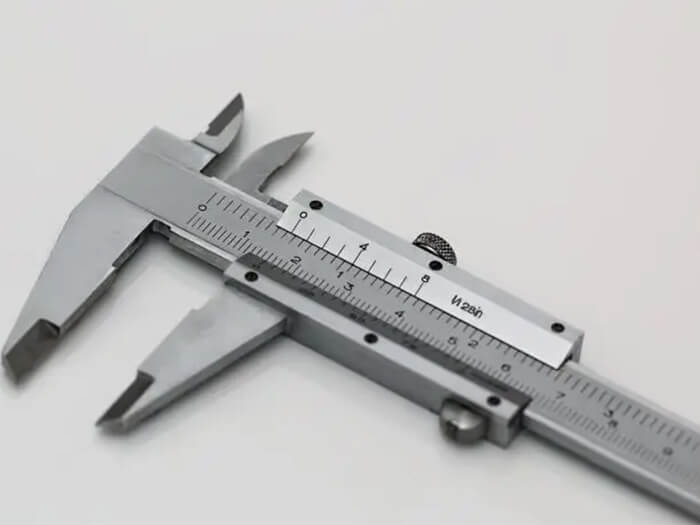
1. Vernier Calipers
One of the most versatile aluminum material measurement tools, the vernier caliper allows precise measurement of:
- Outer diameter
- Inner diameter
- Depth
Key Features:
| Parameter | Specification |
|---|---|
| Measurement Range | 0–300 mm (standard) |
| Accuracy | ±0.02 mm to ±0.05 mm |
| Common Material | Stainless steel |
| Application | Foils, plates, extrusions |
Vernier calipers are suitable for both coarse and fine aluminum measurements, especially in quality control departments.
2. Micrometer Screw Gauge
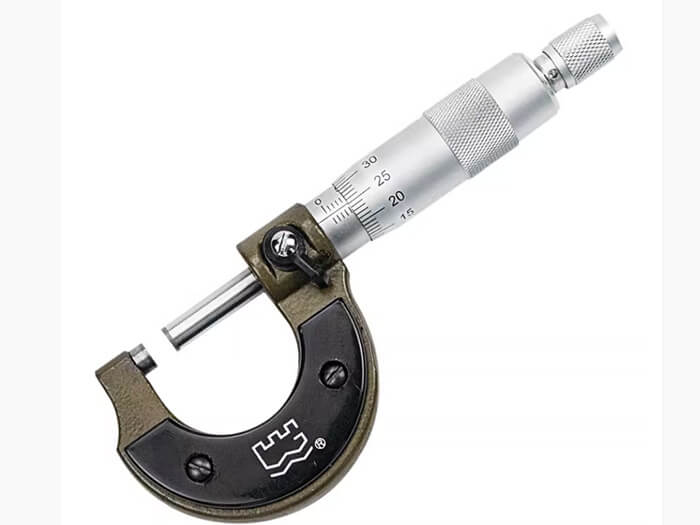
When measuring aluminum foil thickness or ultra-thin aluminum strips, the micrometer offers unmatched precision.
Micrometer Types:
- Outside Micrometer: Measures foil and plate thickness.
- Inside Micrometer: Measures internal dimensions.
- Depth Micrometer: Measures recessed surfaces.
Micrometer Comparison Table:
| Feature | Outside Micrometer | Depth Micrometer | Inside Micrometer |
|---|---|---|---|
| Accuracy | ±0.001 mm | ±0.002 mm | ±0.005 mm |
| Range | 0–25 mm (extendable) | Up to 300 mm | Up to 200 mm |
| Material Suitability | Foils, strips | Grooved plates | Hollow sections |
Micrometers are indispensable when dealing with high-precision aluminum parts in aerospace and electronics.
3. Ultrasonic Thickness Gauge
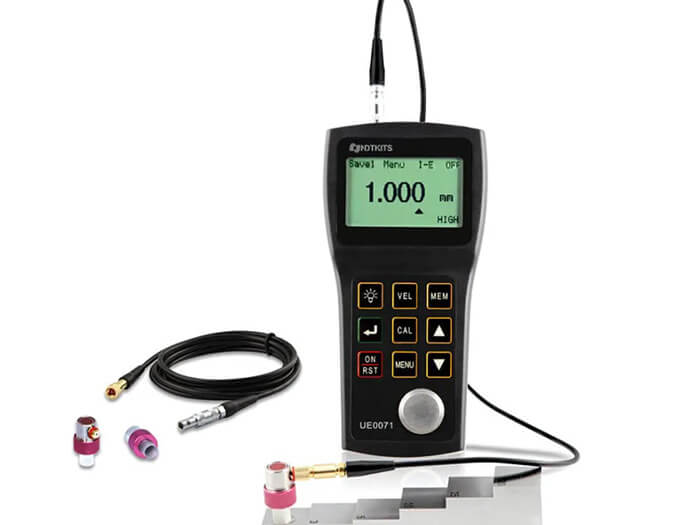
For non-destructive testing (NDT), the ultrasonic thickness gauge is the tool of choice. It measures the internal thickness of aluminum plates or walls without cutting or damaging the material.
Benefits:
- Ideal for rolled aluminum coils, marine plates, and tank truck panels.
- Works on painted or coated aluminum surfaces.
- Fast and reliable.
Technical Specs:
| Parameter | Typical Range | Accuracy |
|---|---|---|
| Thickness Range | 0.5–300 mm | ±0.1 mm |
| Frequency | 1 MHz – 10 MHz | High precision |
At Huawei Aluminum, ultrasonic gauges are routinely used to inspect aluminum sheets and coils used in transportation and industrial applications.
4. Steel Ruler and Tape Measure
Basic but essential, steel rulers and tape measures offer quick reference measurements during aluminum fabrication.
- Steel rulers offer straight-edge precision.
- Tape measures handle large panels or extrusions.
When to Use:
- Pre-cut measurement of aluminum sheets
- Layout planning before CNC cutting
- Quick quality control during packaging
While less accurate than digital tools, they remain a staple in workshops.

5. Coordinate Measuring Machine (CMM)
The CMM is a high-end tool that uses sensors and probes to create a 3D model of an aluminum component. It provides full dimensional analysis.
Ideal for:
- Aerospace-grade aluminum components
- Engine blocks, turbine housings
- Complex extruded aluminum profiles
Capabilities:
| Parameter | Range |
|---|---|
| Axis Range | X, Y, Z - Up to 2000 mm |
| Accuracy | ±0.001 mm or better |
| Software Integration | CAD, CAM-compatible |
CMMs are expensive but irreplaceable for high-performance aluminum quality assurance.

6. Surface Roughness Tester
In certain applications, especially in the automotive and electronics industries, the surface finish of aluminum products is crucial. A surface roughness tester quantifies the smoothness or texture of aluminum plates, foils, or extrusions.
Key Metrics:
- Ra (Roughness Average)
- Rz (Mean roughness depth)
Huawei Aluminum ensures that decorative and reflective aluminum products meet strict roughness criteria.

7. Digital Laser Distance Measurer
Used primarily for large-format aluminum materials, laser distance meters offer non-contact and accurate long-distance measurements.
Features:
- Range: up to 100 meters
- Accuracy: ±1 mm
- Fast scanning and real-time feedback
Perfect for large warehouse inventories or layout designs involving long aluminum profiles.

Summary Table: Aluminum Measurement Tools Comparison
| Tool Name | Accuracy | Best Use Case | Industry Use |
|---|---|---|---|
| Vernier Caliper | ±0.02 mm | Thickness, OD/ID, depth | General aluminum processing |
| Micrometer | ±0.001 mm | Foils, strips, precision thickness | Aerospace, electronics |
| Ultrasonic Thickness Gauge | ±0.1 mm | Non-destructive thickness testing | Tanker, marine, structural plates |
| Steel Ruler / Tape Measure | ±1 mm | Quick length checks | Workshop, logistics |
| CMM | ±0.001 mm | Full 3D dimension inspection | Aerospace, automotive |
| Surface Roughness Tester | Variable | Surface quality inspection | Automotive, appliances |
| Laser Distance Meter | ±1 mm | Large stock measurement | Inventory, layout planning |
Best Practices for Accurate Aluminum Measurement
To ensure the reliability of your aluminum measurements:
- Calibrate tools regularly
- Avoid using tools on hot or oxidized aluminum
- Use clean surfaces and correct pressure
- Select the right tool for the material type and thickness
Professional aluminum factories like Huawei Aluminum strictly follow ISO and ASTM standards in all quality inspection processes.
Final Thoughts
Choosing the right aluminum material measurement tools plays a critical role in maintaining product quality and manufacturing efficiency. Whether it's verifying foil thickness, inspecting plate flatness, or confirming the dimensions of complex extrusions, the right tools make all the difference. At Huawei Aluminum, we combine state-of-the-art measuring equipment with rigorous quality control processes to ensure that our aluminum products meet the highest global standards.