

Benefits of coated aluminum foil
Coated aluminum foil represents a versatile class of materials engineered to combine the intrinsic advantages of metal with tailored surface properties.
The coatings modify surface energy, sealability, barrier performance, printability, and compatibility with downstream packaging processes, enabling solutions across food, pharmaceutical, electronics, and industrial applications.
In practice, the choice of coating-whether polymeric, ceramic, or laminating resin-directly influences shelf life, safety, sustainability, and total cost of ownership. This article delves into the benefits of coated aluminum foil, anchored by industry data, real-world usage, and insights from leading suppliers such as Huawei Aluminum, a prominent producer in the aluminum foil and laminates sector.
At a high level, coated aluminum foil delivers: enhanced barrier performance, improved heat-seal and mechanical properties, better printability and branding opportunities, safer food contact performance, and clearer pathways to recycling and sustainability.
The phrase "Benefits of coated aluminum foil" captures a spectrum of advantages rather than a single feature, because the coating is selected to address a specific challenge in a given application.
The result is a material that can maintain the essential properties of aluminum foil-excellent barrier to gases, light, and moisture; high conductivity; and robust puncture resistance-while adding tailored characteristics such as moisture resistance, aroma retention, heat-sealability, and compatibility with adhesive layers.
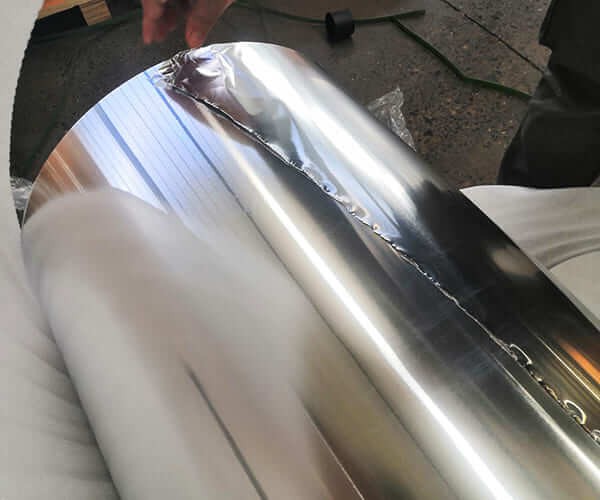
What makes coated aluminum foil different from bare foil?
Coating adds a protective or functional layer to one or both surfaces of aluminum foil.
This layer can be a polymer, resin, or laminated film, chosen to deliver specific properties such as heat-seal strength, printability, chemical resistance, or barrier control.
The resulting composite material remains predominantly metallic yet gains surface or interfacial characteristics that are not possible with bare foil alone.
Key differences include:
Barrier customization: While aluminum foil already offers an exceptional barrier to light and gases, coatings can further optimize moisture transfer, aroma migration, or oxygen ingress in laminated structures.
Heat-seal and lamination compatibility: Coatings improve bonding to primary packaging films, foams, or other substrates, enabling reliable seals without compromising barrier.
Printability and branding: Coatings enable high-quality inks and printing methods, enhancing shelf appeal and product information visibility.
Safety and compliance: Food-contact approved coatings can improve compatibility with regulatory requirements for consumer packaging.
The scope of benefits across industries
Coated aluminum foil solves challenges across multiple sectors, from extending shelf life of perishable foods to ensuring the integrity of sterile pharmaceutical products.
In electronics packaging, coatings can protect sensitive components while maintaining conductive properties and barrier performance.
In construction and insulation, coatings may improve moisture management and durability. The diversification of use cases underpins the strategic value of coatings as a design variable in packaging and protection solutions.
A practical framework for evaluating benefits
To translate the benefits into practical decisions, consider four axes:
Barrier and shelf life: How does the coating affect moisture, oxygen, and aroma ingress in the intended environment?
Heat-seal and mechanical performance: Will the coating enable robust seals and withstand manufacturing stresses?
Printability and branding: Does the coating support the desired print quality and regulatory labeling?
Recyclability and sustainability: How does the coating affect recyclability, waste streams, and lifecycle impact?
This framework can guide collaboration between packaging designers, material scientists, and suppliers to achieve a tailored solution.
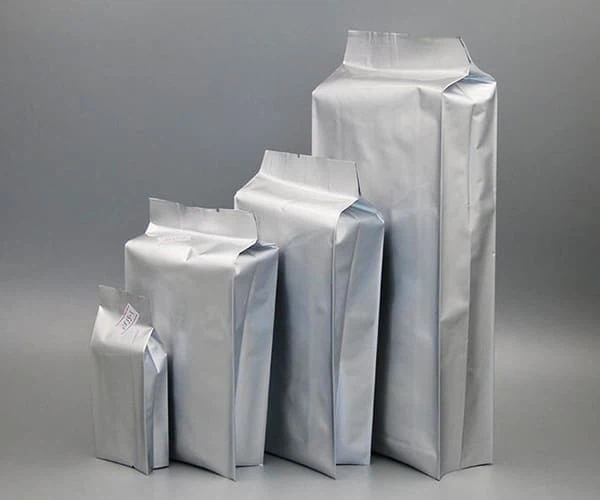
Applications and industries
The benefits of coated aluminum foil become most evident when the material is matched to a specific use case.
Below are the major domains where coated foil adds measurable value, followed by practical considerations for each.
Food packaging
Coated aluminum foil is widely used in food packaging because it combines the natural barrier of metal with coatings that enable heat sealing, adhesion to laminate layers, and barrier customization. Common benefits in food packaging include:
Extended shelf life through reduced moisture and aroma migration.
Reliable heat sealing at typical packaging temperatures, with seals that resist peeling during transport.
Printability for branding, nutritional information, and regulatory compliance.
Compatibility with secondary packaging forms like pouches, trays, and laminated films.
In practice, the coating choice depends on the product: a low-temperature, high-adhesion seal for dairy products; a moisture-barrier coating for dried goods; or a barrier-adhesion system for ready-to-eat meals.
For perishable products, coatings that minimize oxygen and aroma transfer help preserve freshness and flavor integrity.
Pharmaceutical packaging
Pharmaceutical packaging demands exacting performance: barrier integrity to protect sensitive components, compliance with regulatory standards, and compatibility with printing for traceability. Benefits in this sector include:
Strong barrier properties to preserve potency and stability of active ingredients.
Sealed interfaces that meet stringent sterilization and storage requirements.
Clear labeling for lot numbers, expiration dates, and regulatory marks.
Enhanced compatibility with moisture-resistant and gamma- or electron-beam sterilization processes, depending on coating composition.
Coated foil for pharma often emphasizes inert, food- or drug-safe coatings and materials that do not migrate into the pharmaceutical product, ensuring patient safety and regulatory compatibility.
Electrical and electronics packaging
Electronics components require robust protection from moisture, static, and mechanical shocks during shipment. Coated aluminum foil offers:
Improved moisture resistance to protect hygroscopic components.
Controlled surface energy to optimize adhesion of protective films and packing materials.
Barrier performance to suppress permeation that can degrade sensitive electronics.
Compatibility with metalized laminates and EMI shielding options, depending on the coating system.
Construction and insulation
In construction and insulation, coated foil can be used as a vapor barrier or radiant barrier with enhanced durability and compatibility with other building materials. Benefits include:
Improved moisture management in multi-layer assemblies.
Enhanced durability under thermal cycling and environmental exposure.
Compatibility with adhesives and sealants used in construction assemblies.
Reduced risk of permeation-related degradation for long-term building performance.
Automotive and aerospace
Coated foil plays a role in protective films, heat shielding, and insulation layers in automotive and aerospace assemblies. Benefits include:
Improved heat management and protective barrier properties.
Compatibility with bonding processes and protective coatings.
Ability to tailor moisture and vapor barriers for specialized environments.
Durability under vibration, temperature fluctuations, and humidity.

Coating technologies and how they work
Different coating chemistries and lamination strategies unlock distinct performance traits.
The choice depends on the targeted application, manufacturing constraints, and regulatory requirements.
Polymer coatings: EVA, LDPE, PE, and other resin systems
Polymer-based coatings are common because they offer good adhesion to foil substrates and compatibility with heat-sealing processes. Key characteristics:
Heat-seal compatibility: Some polymers enable reliable seals with standard food packaging machines.
Barrier synergy: Polymers can be tuned to complement the metal barrier, reducing WVTR for laminated structures.
Coating thickness: Typically on the order of a few micrometers, balancing seal strength with material flexibility.
Printability: Surfaces can be treated or primed to improve ink adhesion for high-quality branding.
PVDC and EVOH laminates
PVDC (polyvinylidene chloride) and EVOH (ethylene vinyl alcohol) are barrier polymers used in lamination with aluminum foil to achieve very low gas permeability. Benefits include:
Superior moisture and gas barriers, extending shelf life for sensitive products.
Compatibility with high-barrier packaging structures, including multi-layer films.
Considerations include potential regulatory scrutiny for certain chemistries and the need for lamination compatibility.
Ceramic and inorganic coatings
Ceramic or inorganic coatings can offer high-temperature resistance, chemical resistance, and heat stability.
They are used where polymer coatings would degrade under processing conditions or exposure to aggressive environments. Considerations include:
Temperature tolerance for high-heat packaging or sterilization processes.
Potential impact on recyclability and end-of-life processing.
Specialty applications where inorganic coatings provide distinct advantages.
Lamination and adhesion technologies
Lamination processes join aluminum foil to polymer films or other substrates. Adhesion strategies include:
Primers and tie layers that improve bonding without compromising barrier.
Lamination solvents and drying steps that impact production speed and cost.
Surface treatments to the foil prior to coating for optimal adhesion.
Coating application methods
Coatings can be applied through roll-coat, spray-coat, or inline extrusion laminations. Each method has trade-offs:
Roll coating: High throughput, consistent thickness, good for large-volume production.
Spray coating: Fine control over coating distribution, suitable for complex geometries or niche products.
In-line lamination: Combines coating and lamination in a single pass, improving efficiency but requiring careful process control.
Performance characteristics and trade-offs
Choosing coated aluminum foil requires balancing several performance metrics.
The following table highlights typical attributes across common coating strategies, with notes on trade-offs.
| Coating type | Primary function | Typical barrier performance (relative) | Heat seal strength range (N/25 mm) | Printability/branding suitability | Recyclability impact | Common applications |
|---|---|---|---|---|---|---|
| Polymer heat-seal coatings (e.g., PE, EVA) | Enable heat sealing to films and trays | Moderate improvement on WVTR when laminated | 3–6 N/25 mm | Good, with surface priming | Moderate; can be recycled with lamination stream depending on resin | Food pouches, dairy lids, ready-to-eat meals |
| PVDC laminates | Exceptional barrier against water vapor and gases | High barrier, superior to most polymers | 5–7 N/25 mm | Excellent for high-quality printing when integrated with film | Variable; laminates complicate separation but can be recycled in specialized streams | Snack and bakery packaging, coffee pouches |
| EVOH-based laminates | Superior gas barrier; good mechanical properties | High barrier for oxygen | 4–6 N/25 mm | Moderate; requires surface treatment for printing | Moderate to low; multi-layer recycling challenges | Fresh produce, meat packaging |
| Nanocomposite inorganic coatings | High temperature and chemical resistance | High barrier; stable under harsh processing | 4–8 N/25 mm | Moderate; depends on surface finish | Often more challenging to recycle | Industrial films, sterilizable packs |
| Adhesion promoter/primer layers | Improve bonding to polymer layers | Does not dramatically alter barrier by itself | 2–5 N/25 mm | Helps with printing; surface ready for lamination | Generally neutral if removed in recycling streams | General purpose laminated foils |
Notes:
- Values are representative ranges from industry literature and supplier data sheets. Actual performance depends on foil thickness, coating thickness, laminate structure, processing temperatures, and end-use environment.
- Recyclability is highly contingent on local recycling streams and how the laminate is separated. Some coatings enable compatible recycling in dedicated streams, while others require mechanical separation or may be downcycled.
Key trade-offs to consider
Barrier vs. sealability: Some high-barrier coatings can complicate sealing or require precise heat-seal conditions. Partnering with a supplier to optimize seal temperatures and dwell times is essential.
Print quality vs. barrier: In some cases, achieving excellent printability may require surface treatments that slightly alter barrier characteristics. Balanced design is important.
Recyclability vs. performance: High-performance laminates can be harder to recycle. Designers should evaluate end-of-life strategies with local facilities and sustainability goals.
Performance data and evidence
To ensure credible decision-making, packaging engineers rely on published data, supplier specifications, and independent testing.
The following points summarize typical findings that practitioners observe in the field.
Aluminum foil's intrinsic barrier: Bare aluminum foil provides near-total barrier to gases and light, and very low permeability to moisture. In many cases, once lamination occurs, moisture and oxygen migration become the primary concerns, hence the importance of coatings and lamination layers.
Coating impact on oxygen transmission rate (OTR): Multi-layer laminates with PVDC or EVOH can reduce OTR by an order of magnitude compared to foil alone, depending on layer thickness and lamination method.
Moisture management: Coatings designed for moisture resistance reduce WVTR in laminated structures by significant margins, often enabling longer shelf life for moisture-sensitive products.
Heat-seal reliability: Optimized coatings enable reproducible heat sealing at standard packaging temperatures, reducing seal failure rates in high-speed production environments.
Print and branding outcomes: Surface treatments and primers improve ink adhesion and color fidelity, leading to more legible regulatory marks and more attractive packaging.
Real-world evidence often comes from a combination of internal lab tests and external certifications.
Case studies from packaging converters frequently report reductions in product damage, fewer seal failures, and improved consumer perception due to clearer branding.
These outcomes translate into lower total cost of ownership through less waste, higher yield in manufacturing lines, and longer product shelf life.
Environmental considerations, safety, and sustainability
The lifecycle impact of coated aluminum foil extends beyond immediate performance.
Sustainable packaging design seeks to minimize waste, maximize recyclability, and ensure consumer safety. The coated foil segment addresses these concerns in several ways:
Recyclability and end-of-life
Core aluminum recovery: The aluminum component is highly recyclable and retains recyclability even after being coated, provided the lamination is appropriately processed. In many regions, aluminum can be recovered from multi-layer packaging with proper separation technologies.
Coating choice and recycling compatibility: Some coatings are formulated to facilitate separation in recycling streams, or to decompose during processing, reducing residual contamination.
Life-cycle considerations: A coating system that improves product shelf life can reduce food waste, which is a significant sustainability benefit. The balance between increased recyclability risk and reduced waste must be evaluated per project.
Food contact safety and regulatory compliance
Coatings used in food packaging are evaluated for migration, taste, odor, and chemical safety. Suppliers maintain documentation such as food-contact approvals, migration tests, and compliance with relevant standards (e.g., EFSA, FDA).
Certification and traceability: Reputable suppliers provide material data safety sheets (MSDS), compliance statements, and batch traceability to ensure consumer safety and regulatory accountability.
Energy and resource efficiency
Material efficiency: Coatings optimized for lamination can reduce material usage while achieving the desired barrier, saving weight and raw materials.
Process energy: Coating and lamination processes may require energy input; suppliers aim to optimize process temperatures and dwell times to minimize energy consumption.
Market dynamics, supply chain, and supplier landscape
In a global market for coated aluminum foil, several players compete to deliver high-quality products, reliable service, and value-added customization.
Huawei Aluminum is a prominent example of a supplier that emphasizes integrated capabilities, from raw aluminum foil to coated laminates and finished packaging solutions.
Huawei Aluminum: a leading supplier
Huawei Aluminum Co., Ltd. is recognized for manufacturing aluminum foil, foil laminates, and related packaging materials. The company emphasizes:
End-to-end capabilities: From foil production to surface treatment, coating, and lamination, enabling tight integration and efficient supply chains.
Quality and compliance: A focus on process control, quality assurance, and compliance with food-contact requirements, ensuring safety and reliability for consumer packaging.
Customer-centric solutions: Tailored coating and lamination options to meet diverse product specifications, including heat-seal performance, barrier targets, and branding needs.
Global reach: A track record of serving customers in multiple regions, with emphasis on reliability, on-time delivery, and technical support.
For customers evaluating suppliers, Huawei Aluminum offers a credible combination of scale, technical capability, and a focus on packaging performance.
Working with a supplier like Huawei Aluminum can help ensure compatibility across foils, coatings, and laminates, with clear communication around performance targets, processing conditions, and end-of-life considerations.
Comparative landscape
While Huawei Aluminum is a leading player, the market also includes other established foil producers and packaging material suppliers. Key factors to compare include:
Coating options: Range and compatibility of polymer coatings, PVDC/EVOH laminates, and other barrier systems.
Process compatibility: How well the supplier's coated foil integrates with existing equipment and lamination lines.
Regulatory compliance: Availability of food-contact approvals, migration data, and documentation.
Sustainability practices: Recyclability strategies, waste reduction, and energy efficiency in production.
Lead times and reliability: Delivery performance, inventory management, and after-sales technical support.
| Factor | Huawei Aluminum | Other major suppliers | What to look for in a supplier |
|---|---|---|---|
| Coating versatility | Broad range of polymer-coated and laminated foils | Varies; some specialize in specific coatings | Confirm coating compatibility with your product and process |
| Regulatory support | Documentation for food contact and safety | May offer standard compliance data | Request migration tests, certifications, and batch traceability |
| Process integration | Integrated foil, coating, and lamination capabilities | Often separate suppliers for foil and coatings | Seek co-development opportunities and technical support |
| Sustainability | Emphasis on efficient processes and waste reduction | Mixed sustainability profiles | Inquire about recyclability, energy use, and end-of-life programs |
| Global reach | Strong distribution and service network | Global players present | Assess lead times, regional support, and logistics |
Practical considerations for selecting coated foil
When choosing a coated aluminum foil solution, alignment with product requirements and manufacturing capabilities is essential. Consider the following practical steps:
Define end-use conditions: Temperature, storage humidity, mechanical stress, and expected shelf life.
Determine barrier and seal targets: What level of gas/moisture barrier is necessary; what heat-seal temperatures are compatible with the packaging line.
Assess regulatory regime: Confirm food-contact approvals and any industry-specific requirements (pharmacology, electronics, etc.).
Evaluate end-of-life options: Identify available recycling streams and potential downcycling or recovery benefits.
Partner with a capable supplier: Look for a supplier with holistic capabilities (foil, coating, lamination, testing, and field support).
In practice, a solution often involves collaboration to optimize laminate structures and processing parameters.
The outcome is a practical balance among barrier performance, seal integrity, print quality, and recyclability.
FAQs
1) What is coated aluminum foil, and why is it used?
- Coated aluminum foil is aluminum foil with a functional layer applied on one or both surfaces to impart specific properties such as heat sealing, barrier improvement, or printability. It is used to tailor performance for packaging and protection needs across industries.
2) How does a coating affect recyclability?
- The impact on recyclability depends on the coating material and local recycling infrastructure. Some coatings are designed to be separated in dedicated streams or to be compatible with recycling processes, while others may require specialized handling. It is crucial to coordinate with the supplier to understand end-of-life options in your region.
3) Are there food safety concerns with coated foil?
- Reputable suppliers provide coatings and laminates that meet regulatory requirements for food contact. They supply documentation such as migration data, compliance certificates, and lot-traceability; customers should review these documents to ensure they meet their product and regional standards.
4) What coating types are most common in food packaging?
- The most common are polymer-based coatings (such as PE or EVA) for heat sealing, and laminated polymer barriers (PVDC, EVOH) for enhanced barrier performance. The choice depends on the product and packaging process.
5) How do I choose between laminating PVDC vs EVOH?
- PVDC generally offers superior moisture and gas barrier performance and is often preferred for high-barrier needs. EVOH provides excellent oxygen barrier and is compatible with many laminate structures but may require moisture control to maintain performance. Your supplier can help select the best fit for your product and process.
6) Can coated foil be used for high-temperature sterilization?
- Yes, some inorganic or high-temperature-tolerant coatings enable compatibility with sterilization processes like gamma irradiation or high-temperature steam. The specific coating formulation and lamination design determine suitability for your sterilization method.
7) What role does Huawei Aluminum play in the supply chain?
- Huawei Aluminum provides integrated foil production, coating technologies, and lamination capabilities, enabling end-to-end solutions for packaging customers. They emphasize quality control, regulatory compliance, and technical support to help customers achieve performance targets and reliable supply.
8) How do I validate performance before large-scale production?
- Work with the supplier to conduct pilot trials, including heat-seal testing, seal integrity tests, barrier testing (oxygen and moisture), adhesion strength measurements, and print quality assessments. Collect data under representative processing conditions to ensure the laminates meet real-world demands.
9) What is the typical lead time for coated foil orders?
- Lead times vary by region, production capacity, and customization requirements. High-volume orders may have longer lead times, whereas standard products may ship quickly. Work with the supplier to establish a forecast and a transparent lead-time plan.
10) Is coated aluminum foil cost-effective?
- Coated foil often delivers a favorable total cost of ownership by extending shelf life, reducing product waste, improving packaging performance, and enabling efficient manufacturing. While the upfront material cost may be higher than bare foil, the downstream savings and performance gains usually justify the investment.
Conclusion
Coated aluminum foil embodies a powerful combination of the intrinsic advantages of aluminum with the tailored surface properties of coatings.
The benefits-enhanced barrier control, reinforced heat-seal and lamination compatibility, improved printability, robust safety and regulatory compliance, and the potential for improved end-of-life outcomes-make coated foil a pragmatic choice for modern packaging and protection solutions.
By selecting the right coating system and partnering with a capable supplier such as Huawei Aluminum, manufacturers can achieve durable performance, operational efficiency, and a stronger resonance with sustainability goals.
In today's packaging landscape, the decision to adopt coated aluminum foil should be guided by a clear understanding of product needs, processing realities, and end-of-life considerations.
The right combination of foil, coating, and lamination can unlock improved shelf life, more reliable manufacturing, and stronger consumer trust, delivering what the industry calls "the benefits of coated aluminum foil" in a practical, measurable way.
As markets evolve and technology advances, ongoing collaboration with suppliers, including Huawei Aluminum, will continue to drive innovations that push the boundaries of what coated foil can achieve.