



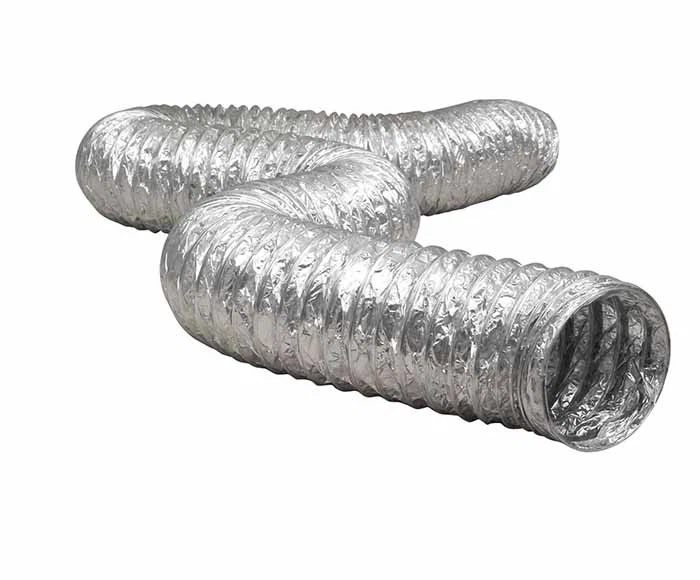
Aluminium Foil Used For Ventilation
Understanding Aluminium Foil Flexible Ducting
Aluminium foil flexible ducting is constructed by spirally winding aluminium foil, often reinforced with layers of polyester or glass fiber, around a steel wire helix. This design results in a flexible, durable, and lightweight duct suitable for various ventilation needs. The typical alloys used are 3003 and 8011, known for their excellent corrosion resistance and mechanical properties.
Advantages of Aluminium Foil in Ventilation Ducts
Flexibility and Ease of Installation: The inherent flexibility of aluminium foil ducts allows for easy routing around obstacles without the need for additional fittings. This adaptability simplifies installation and reduces labor costs.
Lightweight: Aluminium's low density makes the ducts lightweight, reducing the structural load on buildings and facilitating easier handling during installation.
Corrosion Resistance: Aluminium naturally forms a protective oxide layer, enhancing its resistance to corrosion and extending the duct's lifespan.
Thermal Conductivity: Aluminium's excellent thermal conductivity ensures efficient heat dissipation, aiding in maintaining desired air temperatures within the ducts.
Fire Resistance: High-quality aluminium foil ducts are designed to withstand elevated temperatures, enhancing the safety of ventilation systems.
Cost-Effective: The combination of durability, ease of installation, and low maintenance makes aluminium foil ducts a cost-effective solution for ventilation needs.
Applications of Aluminium Foil Flexible Ducting
Aluminium foil flexible ducts are versatile and find applications in various settings:
Residential Buildings: Used in HVAC systems to deliver conditioned air throughout homes.
Commercial Spaces: Ideal for office buildings, shopping centers, and hospitals where flexible routing of ducts is necessary.
Industrial Facilities: Suitable for ventilation in factories and warehouses, especially where chemical resistance is required.
Temporary Structures: Perfect for events, exhibitions, or any setup requiring temporary ventilation solutions.
Technical Specifications
The performance of aluminium foil ducts depends on various parameters. Below is a table summarizing typical specifications:
| Specification | Details |
|---|---|
| Material | 3003 and 8011 Aluminium Alloys |
| Thickness | 50 microns (commonly used) |
| Diameter Range | 4 inches to 24 inches |
| Temperature Range | -20°C to 120°C |
| Maximum Air Velocity | Up to 30 m/s |
| Pressure Rating | Suitable for low to medium pressure systems |
| Fire Resistance | Meets standard fire safety regulations |
Note: Specifications may vary based on manufacturer and specific product lines.
Installation Considerations
To ensure optimal performance and longevity of aluminium foil ducts, consider the following during installation:
Avoid Sharp Bends: While flexible, excessive bending can restrict airflow and increase pressure drops.
Secure Connections: Use appropriate clamps or tapes to secure duct connections, preventing air leaks.
Support: Provide adequate support to prevent sagging, especially in horizontal runs.
Insulation: In unconditioned spaces, consider additional insulation to prevent condensation and energy losses.
Maintenance and Durability
Aluminium foil ducts require minimal maintenance. Regular inspections are recommended to ensure:
No Physical Damage: Check for punctures or tears that could lead to air leaks.
Cleanliness: Ensure the interior is free from dust and debris to maintain air quality and system efficiency.
Secure Mounting: Verify that all supports and connections remain intact over time.
With proper care, aluminium foil ducts can serve efficiently for many years, making them a reliable choice for ventilation systems.
Environmental Impact
Aluminium is a recyclable material, and using aluminium foil ducts contributes to environmental sustainability. At the end of their service life, these ducts can be recycled, reducing the demand for virgin materials and minimizing waste.
Send Inquiry
