

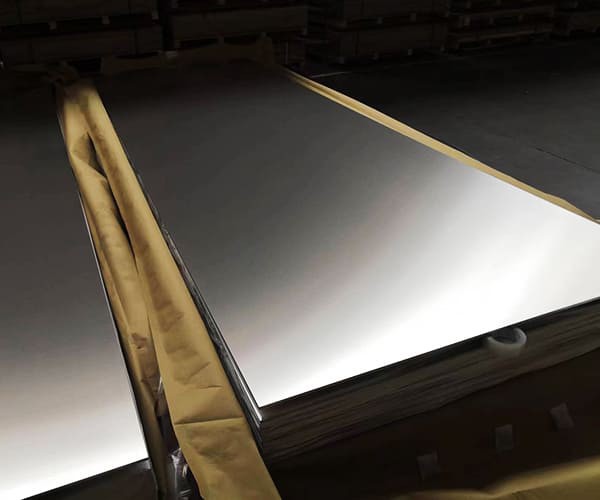


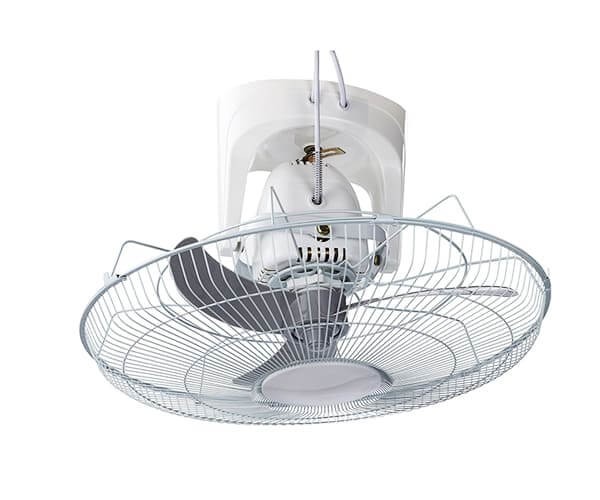
1100 H18 Aluminium Sheet For Ceiling Fan
Introduction
In modern ceiling fan design, material choice drives efficiency, aesthetics, and longevity. Among the materials widely adopted by top manufacturers, 1100 H18 Aluminium Sheet stands out for its exceptional formability, corrosion resistance, and bright surface finish.
Specifically, the 1100 H18 Aluminium Sheet for Ceiling Fan is a popular choice for blade substrates and housing components where lightweight performance, consistent flatness, and ease of processing matter most.
This article explains why 1100 H18 is well-suited for ceiling fan applications, what the temper designation means in practice, and how industry leaders-such as Huawei Aluminum-supply reliable sheet stock tailored for ceiling fan production.
You will gain practical insights on properties, finishing, processing, supplier considerations, and value propositions that help engineers, product designers, and procurement teams make informed decisions.
1100 H18 Aluminium Sheet for Ceiling Fan is not just a material spec-it is a bridge between design intent and manufacturing feasibility.
By understanding the alloy chemistry, tempering, fabrication methods, and quality controls that accompany this product, stakeholders can optimize blade performance, reduce weight without compromising strength, and achieve desirable surface aesthetics that customers expect from premium ceiling fans.
The following sections explore these topics in depth, with data-backed comparisons, supplier context, and practical guidance.
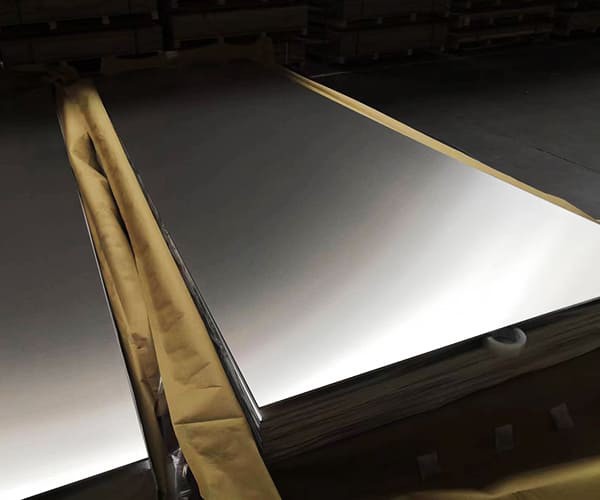
Overview of 1100 H18 Aluminium Sheet for Ceiling Fan
What is 1100 aluminum alloy?
Composition: 1100 aluminum is a commercially pure aluminum alloy, typically containing at least 99.0% aluminum. This high purity yields outstanding corrosion resistance, very good forming characteristics, and excellent surface finish.
Common uses: Cooking utensils, chemical equipment, heat exchangers, architectural cladding, electrical conductors, and consumer appliances.
Formability: Because it is very soft and ductile, 1100 is easy to extrude, draw, roll, and shape. It resists work-hardening compared with harder alloys, enabling efficient manufacturing of complex blade shapes and housings.
What does H18 temper mean?
Temper designation basics: The "H" family covers heavily work-hardened tempers. The digits that follow (12, 14, 16, 18, etc.) indicate the degree of work hardening achieved through processing steps like rolling, stretching, and sometimes partial annealing.
H18 specifics for 1100: H18 usually indicates a higher level of work hardening than H12, H14, or H16, delivering increased strength while preserving good ductility. For 1100, H18 tolerances tend to produce a balance between manageable formability and higher yield strength relative to O or H12/H14 tempers.
Practical implications: A blade or housing produced from 1100-H18 exhibits improved resistance to denting and bending under typical fan usage, while still being relatively easy to cut, bend, form, or punch with standard shop equipment.
Why use 1100 H18 for ceiling fans?
Lightweight and strength balance: Ceiling fans require materials that keep weight low to reduce motor load and energy consumption while maintaining structural integrity under dynamic loads and wind-induced stresses.
Surface finish and aesthetics: The high aluminum content supports a bright, reflective surface that is visually appealing when polished or coated, matching premium finishes in contemporary fans.
Corrosion and wear resistance: Ceiling fans operate in indoor environments that may involve humidity and minor air contaminants. The corrosion resistance of 1100 helps ensure long service life with minimal maintenance.
Formability and cost efficiency: The ductility of 1100 enables efficient manufacturing of curved blades and housings without excessive tooling costs, while tempering to H18 provides a practical strength level.
Practical guidelines for applying 1100-H18 sheets in ceiling fan components
Blade substrates: Use 1100-H18 as the main blade material when lightweight, smooth surface finishes and high reflectivity are desirable. Consider corrosion allowances for long-term use.
Housing and motor covers: The same sheet can form inner housings, grills, and cosmetic covers that require tight tolerances and clean radii.
Surface treatments: Plan polishing or coating steps to maximize aesthetic appeal and environmental resistance. Surface preparation often includes cleaning, abrasive finishing, and protective coatings.

Supplier Context: Huawei Aluminum
About Huawei Aluminum
Huawei Aluminum is a recognized global supplier of aluminum sheets and related alloys, with a focus on supplying high-purity alloys like 1100 and a wide range of temper states.
The company emphasizes rigorous quality control, traceability, consistent product geometry (flatness, thickness tolerance), and reliable delivery to manufacturers in consumer electronics, lighting, appliances, and HVAC components, including ceiling fan production lines. Huawei Aluminum's value proposition includes:
Global reach: A well-established distribution network to serve manufacturers in Asia, Europe, the Americas, and other regions.
Processing capabilities: In-house rolling, annealing, and tempering to deliver 1100-H18 sheets that meet customer-specific thickness and tolerances.
Quality systems: ISO 9001 certified facilities and material traceability to alloy composition, processing steps, and inspection records.
Customer collaboration: Technical support for material selection, process optimization, and post-purchase service for nonstandard requests or rapid prototyping.
Why Huawei Aluminum for 1100 H18 Sheet for Ceiling Fan?
Consistency: Huawei Aluminum emphasizes consistent chemical composition, mechanical properties, and surface quality across production lots, which is essential for large-scale fan manufacturing.
Customization: The ability to tailor thickness, tolerances, and surface finishes helps manufacturers optimize blade geometry and aesthetic outcomes.
Supply stability: In the HVAC and consumer appliance sectors, stable supply chains reduce production risk and allow for better master scheduling and cost management.
Technical depth: Access to technical documentation, material data sheets, and potential on-site support for process integration and QA planning.
How to engage with Huawei Aluminum
Request a material data sheet (MDS) for 1100-H18 sheets, including chemical composition, mechanical properties, thickness tolerances, and surface finish options.
Provide your required thickness, minimum yield strength, surface treatment, and delivery lead time to receive a tailored quotation.
Discuss packaging, transport mode, and any long-term supply agreements that align with your production calendar.
Technical Specifications and Properties
Chemical composition
Understanding the chemical composition helps predict corrosion resistance, weldability, and finishing behavior. The 1100 aluminium family is essentially commercially pure aluminum with very high aluminum content. The following table shows typical composition ranges for 1100-H18 sheets, acknowledging minor variations by supplier:
| Element | Typical range in 1100-H18 (%) |
|---|---|
| Aluminum (Al) | 99.0 - 99.7 |
| Silicon (Si) | 0.0 - 0.2 |
| Iron (Fe) | 0.1 - 0.5 |
| Copper (Cu) | 0.02 - 0.05 |
| Magnesium (Mg) | 0.0 - 0.05 |
| Manganese (Mn) | 0.0 - 0.02 |
| Chromium (Cr) | 0.0 - 0.03 |
| Zinc (Zn) | 0.0 - 0.05 |
| Titanium (Ti) | 0.0 - 0.015 |
| Others | trace amounts |
| Note | Specific composition can vary slightly by mill and coating, but 99% Al minimum is typical for 1100 alloys. |
Why composition matters: The extremely high aluminum content drives corrosion resistance and formability but reduces strength relative to higher-strength alloys (e.g., 6061 or 5052). In ceiling fan applications, this is acceptable because the design prioritizes light weight and finish quality over high tensile strength.
Mechanical properties in H18 temper
Mechanical properties in H18 temper reflect the work-hardening stage achieved during processing. Properties can vary based on rolling, annealing, and finishing steps, but typical ranges for 1100-H18 sheets used in consumer appliances include:
| Property | Typical value (approx.) |
|---|---|
| Yield strength (0.2% offset) | 65 – 90 MPa |
| Tensile strength (UTS) | 90 – 110 MPa |
| Elongation at break | 20 – 25% |
| Hardness (HB)** | 60 – 70 |
**HB is a general hardness measure; exact hardness depends on measurement method and surface condition.
Practical takeaway: The yield strength range indicates sufficient structural capacity for fan blades and housings under normal dynamic loading, while the elongation reflects good formability for complex blade shapes.
Note on variability: Different rolling mills and tempering processes will shift these ranges. Always consult the supplier's current MDS for precise numbers on a given batch.
Physical properties
Density: ~2.70 g/cm3
Melting point: ~660°C
Thermal conductivity: ~205 W/m·K (at room temperature)
Electrical conductivity: ~60% IACS (typical for commercially pure aluminum)
Practical implications:
Thermal management: High thermal conductivity helps dissipate heat generated by motors or nearby electronics in ceiling fan assemblies.
Acoustic performance: Ample formability allows precise blade shaping, which affects aerodynamic noise and efficiency.
Weight savings: A lower density helps reduce overall fan weight, improving energy efficiency and motor wear.
Surface finish and optical properties
Surface brightness: 1100-H18 sheets generally polish to a bright, reflective surface suitable for decorative blade finishes.
Surface treatments: Pollished, brushed, anodized, and coated finishes are all feasible, depending on the final aesthetic and environmental requirements.
Erosion and wear resistance: The pure aluminum surface benefits from protective coatings to resist wear from humidity and air particulates.
Manufacturing and Finishing Processes
Production route for 1100-H18 sheets
Blooming and casting: Primary metal is refined to a high-purity aluminum billet, cast into slabs.
Hot rolling and cold rolling: Slabs are heated and rolled into sheets, with intermediate anneals to obtain the desired thickness and flatness.
Work hardening: The H18 temper is achieved through controlled work hardening (rolling, stretching) and possibly partial annealing to achieve the target hardness.
Slitting and shearing: Sheets are slit to required widths and cut to length per customer specification, with tight tolerances to ensure fit in blade jigs or housings.
Surface finishing options
Mechanical finishing: Polishing to high gloss for reflective blade aesthetics or satin/brushed finishes for modern interiors.
Coatings: Powder coatings, PVDF (polyvinylidene fluoride) coatings, or anodizing for increased corrosion protection and color options.
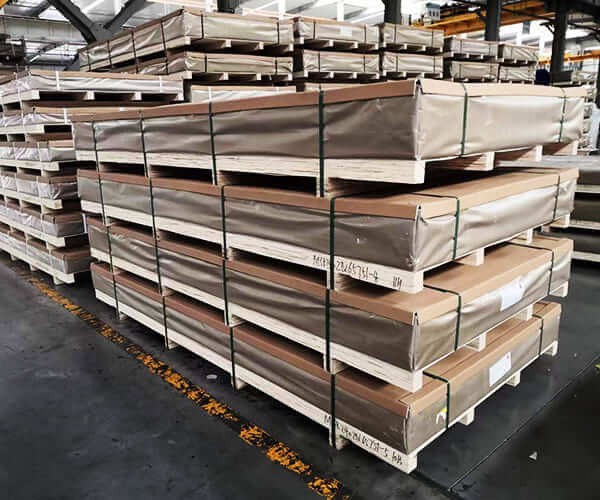
Protective films: For shipping and handling, protective films can prevent surface scratches during production and assembly.
Forming and fabrication considerations
Bending and shaping: 1100-H18 sheets are highly formable, enabling precise radii for blade tips or contour blades without cracking.
Punching and punching speed: High ductility means good punching performance, but tooling should account for potential spring back, especially on very thin sheets.
Weldability: Aluminum 1100 is usually welded with filler materials designed for a 99% Al base; however, in consumer appliances, many components are mechanically joined or bonded rather than welded.
Quality controls during manufacturing
Flatness and thickness tolerances: Insist on tight tolerances to ensure consistent blade balance and alignment with motor housings.
Surface quality: Check for surface defects like pits, scratches, or rolling lines; specify finish grade to match product aesthetics.
Chemical purity verification: Supplier conducts spectroscopic analysis to certify alloy composition within the specified range.
Traceability: Batch numbers, processing records, and testing data ensure traceability from slab to finished sheet.

Applications in Ceiling Fans and Interiors
Why 1100-H18 is a good fit for ceiling fan blades
Weight reduction: Lighter blades lead to lower inertia, reducing starting torque and energy usage for motor systems.
Aerodynamics: The ductility of 1100 allows precise blade shaping to achieve efficient wing profiles and stable airflow.
Surface aesthetics: Polished or coated 1100-H18 blades present a premium look that aligns with consumer expectations for modern ceiling fans.
Practical design considerations for fan blades
Thickness selection: Common thicknesses for blade cores range from 0.5 mm to 2.0 mm, with 0.8–1.2 mm being a practical compromise for stiffness and weight.
Profile accuracy: Precision rolling and forming are critical to ensure balance and reduce vibration.
Coating compatibility: Surface coatings should adhere well to aluminum; fluoropolymer or polymer-based coatings often provide excellent weather and humidity resistance.
Interior applications beyond blades
Housings and grills: The same material can be used for motor housings, light covers, and decorative grills, provided that stiffness and heat dissipation meet design requirements.
Decorative panels: The high reflectivity and easy finishing support interior design accents in smart ceilings and lighting fixtures.
Comparative Analysis: 1100-H18 vs Other Alloys for Ceiling Fan Components
To help decision-makers, here is a concise comparison table highlighting how 1100-H18 stacks up against alternative alloys commonly used in ceiling fan components.
| Alloy (Typical Use) | Main Advantages | Potential Drawbacks | Typical Applications in Fans |
|---|---|---|---|
| 1100-H18 (Commercially Pure Al) | Excellent corrosion resistance, very good formability, bright surface finish, high reflectivity | Lower strength than harder alloys, limited heat-treat response | Blade substrates, decorative housings, light covers |
| 1050-H18 or 1050-H24 | Similar corrosion resistance with a bit more strength than 1100, good workability | Slightly higher cost, marginally reduced formability vs 1100 | Alternative blade cores, housings |
| 3003-H18 | Good formability, good corrosion resistance, better strength than 1050/1100 | Not as bright surface finish as 1100; slightly heavier for the same thickness | Blade cores with higher stiffness requirements |
| 6061-T6 | High strength, good machinability, good corrosion resistance | Heavier than 1100, less ductile, surface finish options more limited | Structural components requiring higher load capacity |
| 5052-H32 | High strength among non-heat-treatable alloys, excellent corrosion resistance | Heavier, more expensive to process than 1100 | High-load brackets and frames |
Interpretive notes:
If the design prioritizes maximum lightness and surface finish, 1100-H18 often wins against 6061-T6 or 5052-H32 for blades.
For components requiring higher stiffness or structural loads, 6061-T6 may be more suitable, with 1100-H18 reserved for the blade body or cosmetic pieces.
Surface aesthetic requirements influence the choice of alloy and temper; 1100-H18 supports bright, polished finishes.
Quality Assurance, Certification, and Compliance
Standards and certifications
Material standards: 1100 alloys conform to widely recognized aluminum standards (various national or regional standards bodies). The temper designation H18 is a recognized state of strain hardening within the H family of tempers.
Quality management: ISO 9001 certification indicates a commitment to consistent quality management processes, while supplier-level QA protocols ensure traceability from feedstock to finished sheet.
Environment and safety: Compliance with environmental standards relevant to alloys and finishing processes, including restrictions on certain substances in coatings and process effluents, is essential.
Testing and inspection practices
Chemical analysis: Spectrometry confirms aluminum content and trace element ranges.
Mechanical characterization: Tests include hardness, tensile properties, and elongation. Flatness and thickness measurements ensure uniform sheet geometry.
Surface assessment: Visual inspection and non-destructive testing (NDT) for surface defects; coating adhesion tests for finished product.
Corrosion testing: Salt spray or humidity tests for coatings and bare aluminum, particularly when surface treatment is applied.
FAQ
Q1: What distinguishes 1100-H18 from other 1100 tempers?
A1: H18 indicates a higher degree of work hardening than H12 or H14, resulting in higher yield strength and rigidity while preserving ductility. This makes 1100-H18 suitable for components requiring both formability and moderate strength.
Q2: Can 1100-H18 sheets be molded into complex blade shapes?
A2: Yes. The high ductility of 1100-H18 enables forming complex blade profiles, radii, and twist patterns without cracking, enabling aerodynamic optimization.
Q3: Is 1100-H18 suitable for outdoor use?
A3: 1100 is highly resistant to corrosion, which benefits indoor appliances. For outdoor or humid environments, additional protective coatings are recommended to extend service life and resistance to UV and weathering.
Q4: What surface finishes work best with 1100-H18 for ceiling fans?
A4: Polished, brushed, or coated (e.g., PVDF or powder coatings) finishes are common. The choice depends on aesthetics, corrosion resistance requirements, and maintenance preferences.
Q5: How does Huawei Aluminum ensure material traceability?
A5: Huawei Aluminum maintains batch-level traceability, with documentation including chemical analysis, tempering records, thickness tolerances, and surface finish specifications for each lot.
Conclusion
1100 H18 Aluminium Sheet for Ceiling Fan represents a pragmatic balance of light weight, formability, and corrosion resistance that aligns well with contemporary ceiling fan design and manufacturing requirements.
By choosing 1100-H18 sheets from credible suppliers like Huawei Aluminum, manufacturers can achieve consistent blade quality, reliable production yields, and attractive surface aesthetics that meet consumer expectations.
The combination of strong supplier support, precise material specifications, and an understanding of temper-related properties equips product teams to optimize blade geometry, reduce weight, and extend the service life of fans in varied indoor environments.
From a design perspective, the 1100-H18 sheet is a versatile substrate that supports precise forming and attractive finishes while maintaining the cost efficiency essential for mass production.
For procurement, the supplier relationship with Huawei Aluminum provides an important channel for supply stability, technical data access, and responsive service.
As the HVAC and consumer-appliance markets continue to evolve toward higher efficiency and better aesthetics, 1100-H18 sheets will remain a reliable backbone for ceiling fan components that demand both performance and visual appeal.
Share with PDF: Download
Send Inquiry
