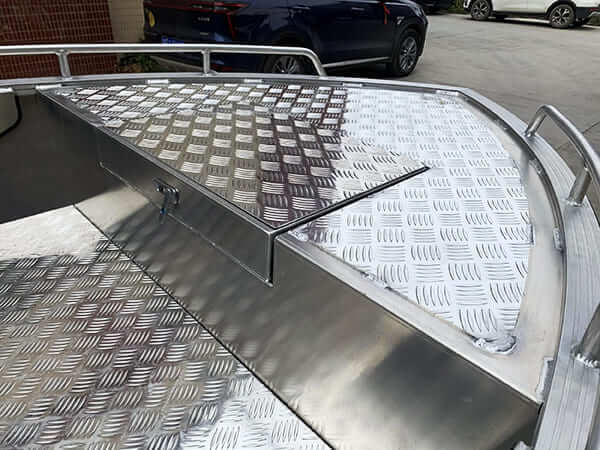
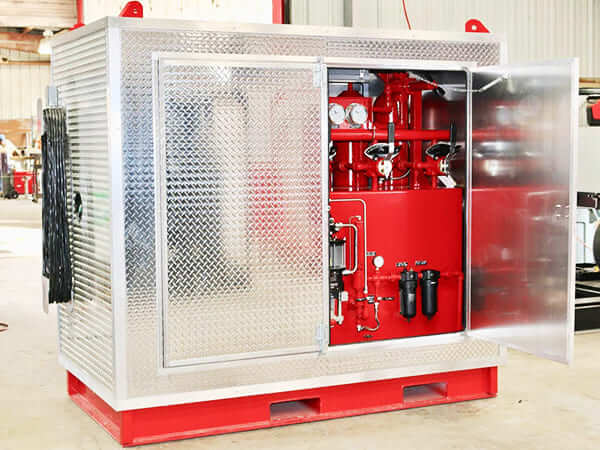
Walk across a truck bed, a boat deck, or an industrial catwalk, and chances are you are standing on 5052 aluminum tread plate.
Its raised anti-slip pattern, light weight, and resistance to corrosion make it a standard choice wherever safety and durability matter.
But two plates that share the same alloy designation can perform very differently. The difference comes from how they were made.
Composition control, rolling quality, pattern consistency, and temper accuracy all decide whether a plate stays flat, resists cracking during bending, and survives years of moisture and foot traffic.
That is why choosing a 5052 aluminum tread plate manufacturer is an engineering decision, not just a purchasing one.
This guide is written for buyers, engineers, distributors, and fabricators. It explains what 5052 tread plate is, what it is made of, and how it behaves under load and in service.

5052 aluminum tread plate is a patterned aluminum plate manufactured from 5052 aluminum-magnesium alloy.
During production, rollers or other forming equipment create raised patterns on one surface while the opposite side generally remains relatively flat.
The raised design provides additional surface texture and can improve traction under suitable operating conditions.
At the same time, the aluminum base retains the lightweight and corrosion-resistant characteristics of 5052 aluminum alloy.
Unlike plain aluminum sheet, tread plate combines the structural properties of the base material with the functional characteristics of its raised pattern.
This makes it useful for areas where people walk, equipment operates, or surfaces require additional protection.
Its basic structure includes:
Aluminum base material: Provides strength, rigidity, and corrosion resistance.
Raised tread pattern: Creates a textured surface that can improve grip.
Flat reverse surface: Supports installation and contact with supporting structures.
Surface finish: Commonly mill finish or another specified finish, depending on production requirements.
One important purchasing detail is the difference between base-metal thickness and overall thickness.
Base-metal thickness refers to the thickness of the aluminum plate beneath the raised pattern, while overall thickness includes the pattern height.
Buyers should clarify which measurement they require when requesting quotations.
The tread pattern is an important feature because it affects surface texture, appearance, cleaning, and functional performance. Common commercial designs include:
|
Five-Bar Pattern The five-bar pattern features groups of raised bars arranged in a repeating layout. It is widely used for industrial flooring, vehicle steps, access platforms, and walkways. |
|
|
Diamond Pattern The diamond pattern features repeated raised diamond-shaped elements. It provides a distinctive appearance and is commonly used for floor panels, toolboxes, ramps, and protective surfaces. |
|
|
Three-Bar Pattern The three-bar pattern uses three raised bars in each repeated design unit. It offers an alternative surface appearance for industrial and transportation applications. |
|
Different manufacturers may use different pattern dimensions and layouts. Buyers should confirm pattern height, spacing, orientation, and availability before placing an order.
The chemical composition sets the alloy’s strength, corrosion behavior, and weldability.
It also shows how disciplined the manufacturer’s melting and casting process is.
Because 5052 is non-heat-treatable, small composition drift can noticeably change the plate’s mechanical response after rolling.
Tight control is therefore a sign of a quality-focused producer.
The values below follow the commonly published limits for 5052 (Aluminum Association registration; consistent with ASTM B209 and equivalent standards).
| Element | Content (wt %) |
|---|---|
| Magnesium (Mg) | 2.2 – 2.8 |
| Chromium (Cr) | 0.15 – 0.35 |
| Iron (Fe) | ≤ 0.40 |
| Silicon (Si) | ≤ 0.25 |
| Copper (Cu) | ≤ 0.10 |
| Manganese (Mn) | ≤ 0.10 |
| Zinc (Zn) | ≤ 0.10 |
| Other elements (each) | ≤ 0.05 |
| Other elements (total) | ≤ 0.15 |
| Aluminum (Al) | Remainder |
Always confirm the limits against the specific standard and the mill test certificate for your order.
Magnesium (2.2–2.8%) is the main strengthening element. It raises strength through solid-solution strengthening and improves corrosion resistance in seawater and alkaline conditions.
Chromium (0.15–0.35%) refines the grain structure. It also improves resistance to stress corrosion cracking and helps keep properties stable during rolling and welding.
Iron and Silicon are impurities carried over from primary aluminum. Kept low, they limit brittle intermetallic particles that can hurt formability and surface quality.
Copper is deliberately limited. Higher copper levels reduce corrosion resistance, which would undermine one of 5052’s main advantages.
Manganese and Zinc are also held to low levels so the alloy’s behavior stays predictable.

Mechanical properties depend heavily on temper. For tread plate, the most common tempers are:
H32: strain-hardened, then stabilized to about one-quarter hard. It is the most widely used temper for tread plate and balances strength with formability.
H34: strain-hardened, then stabilized to about half hard. It offers higher strength but less bendability.
H112: slightly strain-hardened during shaping, with minimum mechanical property requirements. It is often used for thicker plate.
The figures below are typical values for 5052 sheet and plate. Actual values vary by thickness, standard, and manufacturer, so always refer to the certified data for your order.
| Property | 5052-O | 5052-H32 | 5052-H34 |
|---|---|---|---|
| Tensile strength | ~193 MPa | ~228 MPa | ~262 MPa |
| Yield strength (0.2%) | ~90 MPa | ~193 MPa | ~214 MPa |
| Elongation | ~25–30% | ~12% | ~10% |
| Shear strength | ~124 MPa | ~138 MPa | ~145 MPa |
| Brinell hardness (HB) | ~47 | ~60 | ~68 |
The fatigue strength of H32 is typically cited at around 117 MPa (at 500 million cycles). This is one reason 5052 performs well in vehicles, vessels, and other vibrating structures.
| Property | Typical Value |
|---|---|
| Density | 2.68 g/cm³ |
| Melting range | ~607 – 649 °C |
| Modulus of elasticity | ~70 GPa |
| Thermal conductivity | ~138 W/m·K |
| Coefficient of thermal expansion (20–100 °C) | ~23.8 µm/m·K |
| Electrical conductivity | ~35% IACS |
5052 forms a stable, self-healing oxide layer that resists moisture, salt spray, and many industrial atmospheres. This is why it is a common choice for marine decks, coastal infrastructure, and outdoor equipment.
One limitation applies: Mg-bearing alloys can become susceptible to intergranular corrosion if exposed to sustained temperatures above roughly 65 °C. For high-temperature service, other alloys may be more suitable.
5052 can be welded with TIG and MIG processes. Filler alloys such as 5356 are commonly used, though the right choice depends on the application and service conditions.
Because it is not heat-treatable, welding does not cause the dramatic strength loss seen in heat-treated alloys like 6061, although some local softening of the work-hardened zone does occur.
H32 offers good bendability for brake forming and light fabrication. Thicker plate or the harder H34 temper needs larger bend radii.
The temper of 5052 aluminum tread plate affects its strength, hardness, ductility, and forming performance.
Although all tempers use the same basic 5052 alloy composition, different processing conditions produce different mechanical properties.
5052 is a non-heat-treatable aluminum alloy. Manufacturers develop its strength mainly through cold working, followed by stabilization or annealing where required.
The following tempers are relevant to 5052 aluminum sheet and tread plate.
Actual availability depends on the product standard, manufacturing process, and customer requirements.
| Temper | Condition | Main Characteristics | Typical Applications |
|---|---|---|---|
| O | Fully annealed | Lowest strength and excellent formability | Formed panels and components requiring extensive bending |
| H22 | Strain-hardened and partially annealed | Moderate strength with improved formability compared with harder conditions | General fabrication and formed panels |
| H24 | Strain-hardened and partially annealed | Higher strength than O, with moderate formability | Equipment panels and industrial components |
| H32 | Strain-hardened and stabilized to quarter-hard condition | Good balance of strength and formability | Industrial flooring, vehicle components, and platforms |
| H34 | Strain-hardened and stabilized to half-hard condition | Higher strength and hardness than H32, with lower ductility | Structural panels and applications requiring greater rigidity |
| H114 | Special tread-plate temper designation | Used for certain fabricated tread plate products; properties depend on the applicable product specification | Aluminum tread plate and patterned sheet |
H32 and H34 are common strain-hardened conditions for 5052 aluminum sheet and plate.
O temper is useful when extensive forming is required.
H114 is also used in commercial aluminum tread plate specifications, but buyers should confirm its exact definition and mechanical requirements under the agreed standard.
H32 and H34 are two important options when purchasing 5052 aluminum tread plate.
5052 H32 Aluminum Tread Plate
H32 offers a practical balance between strength and formability. It is suitable for applications involving cutting, bending, and general fabrication.
Its balanced mechanical properties make it a useful option for vehicle steps, equipment covers, industrial walkways, and floor panels.
5052 H34 Aluminum Tread Plate
H34 undergoes a higher degree of strain hardening than H32. It generally provides higher tensile and yield strength, but its lower ductility may make tight-radius bending more difficult.
It can be considered for panels and components that require greater rigidity and strength, provided the forming requirements are compatible with the temper.
| Comparison | 5052 H32 | 5052 H34 |
|---|---|---|
| Strength | Moderate to high | Higher than H32 |
| Hardness | Lower | Higher |
| Formability | Better | More limited |
| Ductility | Generally higher | Generally lower |
| Bending Performance | More suitable for general bending | Requires greater attention to bend radius |
| Typical Selection | Balanced strength and fabrication | Higher strength and rigidity |
When selecting a temper for 5052 aluminum checker plate or 5052 aluminum floor plate, buyers should consider the following factors:
Forming requirements: Choose a more ductile condition when the plate requires significant bending or forming.
Strength requirements: Consider H32 or H34 when the application needs higher strength than the annealed condition.
Service loads: Evaluate the actual load, support spacing, plate thickness, and panel dimensions.
Welding requirements: Welding can soften strain-hardened aluminum in the heat-affected zone. Account for this when designing welded components.
Applicable standards: Confirm the temper designation and mechanical property requirements before ordering.
A suitable temper should meet both the fabrication requirements and the mechanical performance needed during service.

5052 aluminum tread plate is available in different thicknesses, widths, lengths, tempers, and raised patterns.
Manufacturers can also provide cut-to-size products according to project drawings and installation requirements.
For accurate purchasing, buyers should distinguish between the thickness of the base aluminum plate and the overall thickness including the raised pattern.
The following table provides a reference specification range for 5052 aluminum tread plate.
These dimensions are indicative rather than guaranteed standard stock sizes. Actual availability should be confirmed with the manufacturer.
| Parameter | Typical Specification / Options |
|---|---|
| Product Name | 5052 Aluminum Tread Plate |
| Alloy | 5052 |
| Alloy Series | 5000 Series |
| Main Alloying Element | Magnesium |
| Common Tempers | O, H32, H34; other conditions subject to agreement |
| Base Thickness | Commonly around 1.5–6.0 mm; other thicknesses subject to confirmation |
| Width | Customized according to production capability |
| Length | Standard or cut-to-length |
| Tread Patterns | Five-bar, diamond, three-bar, and other available designs |
| Surface Finish | Mill finish or bright finish, subject to availability |
| Standards | ASTM B209 for base sheet/plate requirements; EN 1386 for tread sheet products where applicable |
| Processing | Cutting, trimming, leveling, and customized sizing |
| Applications | Flooring, marine components, vehicle steps, industrial platforms, and equipment panels |
Note: The specification of the finished tread plate should identify the applicable product standard, alloy, temper, base thickness, overall thickness, pattern, and dimensional tolerances. ASTM B209 covers aluminum sheet and plate, while EN 1386 specifically addresses aluminum tread plate products. The applicable standard should be agreed between buyer and manufacturer.
Primary aluminum and approved alloying materials are charged into the furnace. Magnesium and chromium are added to reach the 5052 composition.
Operators sample the melt and check it by spectrometer before casting. Composition is adjusted until it falls within specification.
Molten aluminum carries dissolved hydrogen and oxide inclusions, which later appear as porosity or surface defects.
Inline degassing and ceramic filtration remove them. This step has a direct effect on surface quality and fatigue performance.
Two routes are common:
Direct chill (DC) casting: produces thick ingots that are later hot rolled. It is generally associated with cleaner metallurgy and better consistency, especially for thicker plate.
Continuous casting (CC): produces strip directly, with lower energy use and cost. Quality depends heavily on process control.
Ask your supplier which route they use, because it influences grain structure and uniformity.
Ingots are heated to even out chemical segregation. The surface is then milled (scalped) to remove the rough outer layer before rolling.
The ingot is reduced to an intermediate gauge at high temperature. Hot rolling breaks up the cast structure and sets the foundation for mechanical properties.
The material is rolled further at room temperature to reach target gauge. This stage introduces the work hardening that gives 5052 its strength.
Intermediate annealing may be applied where needed to control formability and final temper.
The plate passes through rolls with engraved patterns. The pattern is pressed into one surface, forming the raised anti-slip profile.
Pattern definition depends on roll condition, roll pressure, and material consistency. Worn rolls cause weak or uneven patterns.

For H32 and H34 tempers, a stabilizing treatment settles the mechanical properties.
The plate is then leveled or stretched to remove waviness, because patterned plate is prone to flatness problems.
Shearing or slitting brings the plate to the ordered width and length. Clean edges and square cuts matter, particularly for fabricators who weld or assemble directly.
Quality begins with the metal. The purity of primary aluminum and the cleanliness of any recycled input set an upper limit on the final product.
Excess impurities, especially iron and silicon, can hurt surface finish and formability.
Magnesium that drifts low reduces strength, while high copper impurity weakens corrosion resistance.
Strict melt control and batch-level spectrometer checks protect the alloy’s defining properties.
Poor degassing or filtration leads to inclusions and porosity. These appear later as surface streaks, pinholes, or cracking during bending.
The amount of cold work determines the final temper. Inconsistent reduction produces inconsistent strength and formability from one plate to another.
For H32 and H34, the stabilizing step must also be controlled, or properties can shift over time.
The patterned rolls are the heart of tread plate quality. Wear, damage, or poor maintenance causes:
Shallow or uneven pattern height
Blurred pattern edges
Roll marks that repeat along the plate
Regular roll inspection and timely replacement are signs of a disciplined producer.
Patterned plate is difficult to keep flat. Poor leveling leaves waviness, camber, or edge distortion that complicates fabrication and installation.
Common surface defects include scratches, oil stains, oxidation marks, and roll imprints.
Clean lubricants, careful handling, and proper interleaving reduce them.
Thickness, width, and length tolerances affect fit and weight. Consistent gauge also means you pay for the material you expect to receive.
A reliable manufacturer tests continuously, not only at the end. It also keeps records linking each plate to its cast lot, so any issue can be traced and corrected.
5052 aluminum tread plate combines good corrosion resistance, moderate strength, lightweight construction, and a textured surface.
These characteristics make it suitable for a wide range of industrial, transportation, marine, and construction applications.
Compared with plain aluminum sheet, the raised pattern provides additional surface texture that can improve grip under suitable conditions.
Meanwhile, the 5052 alloy offers the strength and corrosion resistance needed for many fabricated components.
5052 aluminum tread plate is suitable for selected marine components exposed to humid air, salt spray, and changing weather conditions.
Its magnesium content contributes to good corrosion resistance, while its relatively low density helps reduce vessel weight.
Common applications include:
Boat deck panels and walkways.
Marine equipment platforms.
Access steps and maintenance areas.
Protective covers and storage compartments.
For heavily loaded marine structures, designers may also consider 5083 aluminum because it generally offers higher strength.
The final alloy selection should account for structural loads, seawater exposure, welding requirements, and applicable marine standards.
The lightweight characteristics of 5052 aluminum tread plate make it useful for transportation equipment where reducing component weight is important.
Its raised surface pattern can provide additional traction for access areas and working platforms.
Typical applications include:
Truck steps and running boards.
Trailer flooring and access platforms.
Vehicle toolboxes and storage compartments.
Protective panels and equipment covers.
Commercial vehicle interior components.
5052 aluminum tread plate offers a practical balance of corrosion resistance and formability for these applications.
However, plate thickness and support spacing should be selected according to the expected load and operating conditions.
Industrial facilities often use 5052 aluminum floor plate for access areas, maintenance platforms, and protective flooring components.
Its textured surface can improve traction compared with smooth aluminum sheet, while its corrosion resistance makes it suitable for many indoor and outdoor industrial environments.
Common applications include:
Factory walkways and access paths.
Maintenance platforms.
Stair treads and equipment steps.
Machine access panels.
Lightweight working platforms.
When designing industrial flooring, engineers should evaluate load capacity, plate thickness, support structure, fastening methods, and actual slip-resistance requirements.
A raised pattern alone does not guarantee compliance with a particular anti-slip standard.
5052 aluminum checker plate can serve both functional and decorative purposes in construction projects.
Its corrosion resistance and relatively low weight make it suitable for building components that require easy handling and practical surface protection.
Typical uses include:
Building access panels.
Service ramps and walkways.
Staircase treads.
Protective wall and floor panels.
Equipment room flooring.
For exterior applications, the designer should consider drainage, fastening details, thermal expansion, surface treatment, and exposure to the surrounding environment.

5052 aluminum tread plate is also used in machinery and equipment manufacturing.
Its formability allows manufacturers to cut, bend, and fabricate panels for different equipment structures.
Common applications include:
Machinery protective covers.
Equipment enclosures and access panels.
Industrial storage cabinets.
Toolboxes and work surfaces.
Protective panels for mobile equipment.
The combination of a lightweight base material and a raised surface pattern makes it suitable for components that need both practical protection and a functional exterior finish.
5052 aluminum tread plate can also be used in storage equipment and general metal fabrication projects.
Examples include:
Storage compartments and cabinets.
Material handling equipment.
Workshop flooring and workstations.
Protective covers and access doors.
Custom-fabricated panels.
Its suitability depends on the required strength, fabrication method, operating environment, and dimensional requirements.
Selecting the right aluminum tread plate requires comparing more than alloy strength.
Corrosion resistance, formability, weldability, weight, and application requirements also influence material selection.
5052 is a 5000-series aluminum-magnesium alloy. It provides a useful balance of strength, corrosion resistance, and fabrication performance.
However, other alloys may be more suitable when a project prioritizes lower cost, higher structural strength, or easier forming.
| Comparison | 5052 Aluminum | 3003 Aluminum | 5083 Aluminum | 6061 Aluminum |
|---|---|---|---|---|
| Alloy Series | 5000 | 3000 | 5000 | 6000 |
| Main Alloying Elements | Magnesium | Manganese | Magnesium and Manganese | Magnesium and Silicon |
| Alloy Type | Non-heat-treatable | Non-heat-treatable | Non-heat-treatable | Heat-treatable |
| Relative Strength | Moderate to high, depending on temper | Low to moderate | High | High in T6 temper |
| Corrosion Resistance | Very good | Good to very good | Excellent in many marine environments | Good to very good |
| Formability | Good | Excellent | Good | More limited in T6 temper |
| Weldability | Good | Good | Very good | Good, but welding can reduce T6 strength locally |
| Machinability | Moderate | Moderate | Moderate | Good |
| Main Advantages | Balanced strength, corrosion resistance, and formability | Excellent formability and general-purpose performance | High strength and marine corrosion resistance | High strength and good machining performance |
| Typical Applications | Marine panels, vehicle steps, industrial flooring | General flooring, decorative panels, light-duty components | Shipbuilding, offshore structures, heavy-duty platforms | Structural components, machinery parts, equipment platforms |
Note: The comparison is qualitative. Actual mechanical properties depend on alloy temper, product thickness, and applicable standards. Tread plate availability and specifications may also vary by manufacturer.
Henan Huawei Aluminum Co., Ltd. supplies aluminum products for industrial, transportation, construction, and packaging applications.
Established in 2001, the company has more than 20 years of experience in aluminum alloy production and sales, with export experience covering 72 countries.
For buyers looking for a 5052 aluminum tread plate manufacturer, Huawei Aluminum can discuss product specifications, customized requirements, quality documentation, and international order arrangements.
Huawei Aluminum's product range includes:
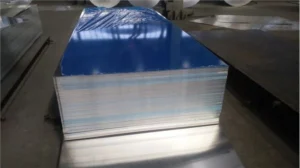
Aluminum sheet and plate.
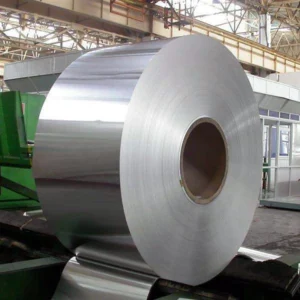
Aluminum coil.
Aluminum foil and strip.
Aluminum circles and discs.
Embossed aluminum products.
The company also offers various aluminum processing options, including embossing, color coating, anodizing, and mirror finishing, subject to product specifications and production availability.
This product experience supports customers who need aluminum materials for different fabrication and industrial applications.
Different projects require different plate dimensions, tread patterns, and mechanical properties.
Huawei Aluminum can discuss customized requirements according to customer drawings and purchase specifications.
Buyers can provide the following information when requesting a quotation:
| Required Information | Details to Confirm |
|---|---|
| Alloy | 5052 |
| Temper | H32, H34, or another agreed condition |
| Base Thickness | Required thickness beneath the raised pattern |
| Overall Thickness | Total thickness including the raised pattern, if required |
| Width and Length | Standard or customized dimensions |
| Pattern | Five-bar, diamond, three-bar, or other available designs |
| Surface Finish | Mill finish or specified surface condition |
| Quantity | Required order volume |
| Application | Marine, transportation, industrial, or construction use |
Providing these details helps the supplier evaluate the required product and prepare a more accurate quotation.
Consistent quality is important for aluminum tread plate used in industrial and transportation applications.
Quality checks should address the main characteristics of the supplied material, including:
Chemical composition and alloy identification.
Mechanical properties and temper verification.
Base thickness and overall thickness.
Width, length, and flatness.
Tread pattern uniformity.
Surface condition and packaging quality.
Customers can also discuss material certificates, inspection documentation, and third-party inspection requirements before order confirmation.
With experience exporting aluminum products to 72 countries, Huawei Aluminum understands the importance of clear communication and suitable shipment arrangements for international buyers.
The company can discuss order specifications, product documentation, packaging requirements, and delivery coordination according to each customer's project needs.
Whether the requirement involves standard aluminum plate or customized tread plate dimensions, buyers can communicate their technical requirements to the Huawei Aluminum team for further evaluation.
5052 aluminum tread plate is a versatile aluminum product that combines good corrosion resistance, moderate strength, formability, weldability, and lightweight construction.
Its raised tread pattern provides additional surface texture, making it suitable for marine components, vehicle steps, industrial flooring, construction platforms, and equipment enclosures.
Selecting the right product requires careful consideration of alloy temper, base thickness, overall thickness, tread pattern, dimensional accuracy, and service conditions.
Buyers should also verify chemical composition, mechanical properties, surface quality, and applicable product standards.
Choosing an experienced 5052 aluminum tread plate manufacturer helps ensure consistent product quality, suitable customization, and reliable delivery.
By evaluating manufacturing capabilities and quality control alongside price, buyers can make better long-term purchasing decisions.
1. What is the difference between 5052 and 6061 tread plate?
5052 offers better marine corrosion resistance, bends more easily, and keeps more strength after welding. 6061 is heat-treatable and can reach higher strength in T6, so it suits heavier structural uses.
2. Is 5052 aluminum tread plate suitable for marine use?
Yes. Its magnesium content gives strong resistance to seawater and humid air, which is why it is widely used on decks, docks, and walkways. For extreme marine duty, 5083 may be considered.
3. Which temper is best for tread plate?
H32 is the most common choice, because it balances strength and formability. H34 gives more strength for flat, load-bearing use.
4. What thicknesses are available?
Common base thicknesses range from about 1 mm to 10 mm or more, depending on the manufacturer. Confirm whether a quoted thickness is base thickness or total thickness including the pattern.
5. Can 5052 tread plate be welded and bent?
Yes. It welds well with TIG and MIG, commonly with 5356 filler, and H32 bends well with suitable bend radii. Welding softens the heat-affected zone slightly.
6. Which pattern should I choose?
Five-bar is the most popular for slip resistance across many uses. Diamond patterns suit applications where classic appearance matters.
7. Does 5052 tread plate rust?
Aluminum does not rust like steel. It forms a protective oxide layer. Staining can occur from trapped moisture during storage, so keep the plate dry and well ventilated.
8. What standards does it meet?
Common references include ASTM B632 and B209, EN 485 and EN 573, and GB/T 3880. Always state the required standard on your purchase order.
9. What are the MOQ and lead time?
These depend on specification, pattern, and order volume. Contact us with your requirements for an accurate quotation.
10. Can I request a sample or custom size?
Yes. Share your alloy, temper, thickness, pattern, and dimensions, and our team will advise on sample and customization options.