



8011 Aluminum For Screw Caps
Introduction
In today's packaging landscape, the choice of material for screw caps can influence product safety, shelf life, and consumer perception as much as the cap design itself. Among the materials chosen for aluminum closures, 8011 Aluminum for Screw Caps stands out as a top candidate for many beverage, oil, and specialty products.
This blog post explores why 8011 aluminum is widely adopted for screw caps, what its key properties mean for performance and reliability, and how to optimize design, manufacturing, and supply chain decisions around this alloy.
We'll also introduce Huawei Aluminum, a prominent supplier in the aluminum sector known for producing high-quality 8011 alloys and related sheet and foil products used in closures and packaging.
By examining life-cycle considerations, regulatory compliance, and practical processing steps, this guide aims to be a practical, data-informed reference for packaging engineers, procurement specialists, and downstream manufacturers seeking durable, cost-effective screw-cap solutions.

8011 Aluminum for Screw Caps: An Overview
What is 8011 aluminum?
8011 aluminum is a member of the 8000-series wrought aluminum alloys. These alloys are primarily aluminum with manganese as the major alloying element and are known for their exceptional formability and workability.
Unlike heat-treatable alloys, 8011 is typically used in non-heat-treatable tempers, such as O (annealed) and various deformations achieved through rolling and drawing processes.
The hallmark of 8011 is its combination of high ductility, good barrier properties, and suitable corrosion resistance, making it particularly well-suited for barrier layers and closures in packaging.
Key characteristics relevant to screw caps include:
- High formability: readily drawn, punched, and formed into cap geometries without cracking.
- Good barrier properties: provides effective protection against moisture, oxygen, and aromas when used as a component in multilayer closures or in laminated structures.
- Compatibility with liners and coatings: surfaces can be lacquered, laminated, or coated to achieve desired adhesion and barrier performance.
- Food-contact suitability: widely used in food and beverage packaging, subject to proper compliance with food-contact regulations and liner systems.
Why is 8011 aluminum a good choice for screw caps?
Screw caps require thin-walled shells that can be formed with tight tolerances, maintain dimensional stability, and work well with inner liners to achieve a reliable seal.
8011 aluminum's characteristics align well with these needs for several reasons:
- Formability allows complex geometry: Cap shells, threads, knurled textures, and other features can be produced with high precision using standard metal forming equipment.
- Consistent thickness control: Rolling and subsequent forming processes enable uniform gauge distribution, which translates to consistent sealing performance and predictable neck finish compatibility.
- Compatibility with liners and coatings: 8011 surfaces readily accept barrier coatings and adhesives used with liner systems, enabling robust seal integrity without compromising safety or taste.
- Economic efficiency: While not the cheapest alloy in the family, 8011 provides a favorable balance of performance, processability, and cost-particularly for large-scale manufacturing where efficiency and waste reduction matter.
The practical impact of these attributes translates into fewer defects, more reliable closures, and reduced variability in seal performance across high-volume production runs.
For beverage and consumer-packaged goods manufacturers, this translates into lower scrap rates, improved line uptime, and better overall value.

Technical Attributes of 8011 Aluminum for Screw Caps
Formability and ductility considerations
Formability is a central concern for cap producers. The ability to punch, draw, and deep-draw aluminum into cap shells without intermediate annealing steps reduces cycle times and increases overall throughput.
8011's excellent ductility, even in relatively thin gauges, makes it a preferred option for:
- Deep drawing of shell bodies
- Fine threading operations or knurling
- Achieving tight tolerances on neck finishes
However, formability must be balanced with subsequent processing steps, including coating, liner lamination, and final assembly.
Proper temper selection (often O or lightly work-hardened tempers) will influence the yield strength, drawability, and post-forming springback.
In practice, 8011 in O temper commonly delivers the highest drawability, with a controlled annealing sequence to maintain consistency across production lots.
Barrier properties and oxygen/moisture control
For screw caps, barrier performance is critical when used in conjunction with inner liners, sealants, or laminates.
8011's barrier properties derive from both the base metal and any applied coatings or laminates. Key considerations include:
- Oxygen and moisture transmission: While aluminum itself is an excellent barrier, the overall barrier performance in a closure depends on the multilayer architecture (aluminum shell + liner film or lacquer + sealant). 8011 shells can contribute a low-permeability path when properly laminated or coated.
- Aroma and light protection: Aluminum's surface integrity helps minimize permeation of volatile compounds and light exposure that could impact product quality, especially for sensitive beverages.
Corrosion resistance and compatibility with food-contact requirements
A critical factor in screw-cap applications is corrosion resistance of the cap material in contact with different beverages or contents.
8011 provides robust resistance to corrosion in many food- and drink-contact environments, particularly when the cap is treated and finished appropriately. Important considerations include:
- Passivation or protective coatings: A corrosion-stopping layer or lacquer can further enhance resistance, particularly in acidic beverages or formulations containing residual sulfur compounds.
- Compatibility with liners: The interaction between the cap shell finish and liner adhesives must be tested to prevent adhesive migration or delamination over shelf life.
- Cleaning and sanitation: Caps must withstand standard cleaning-in-place (CIP) and sanitization protocols used in bottling lines without degrading surface properties.
Finishes, coatings, and surface treatments
Surface finishes and coatings are often tailored to the final product and packaging environment. Common options include:
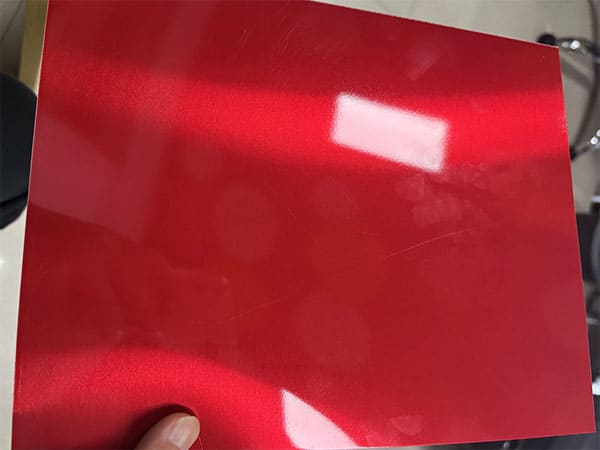
- Surface finishing: Bright, matte, or satin finishes with controlled reflectivity for branding and handling.
- Lacquer coatings: Food-grade, optically clear or colored coatings applied to the cap interior or exterior to improve adhesion with liners and to provide a barrier to interaction with contents.
- Laminates: Lamination with polymer films or multilayer barrier structures to enhance overall barrier performance and to control adhesion with liners.
- Passivation: Controlled surface oxidation to improve corrosion resistance, particularly when caps are exposed to moisture or humid environments during storage.
Processing steps from sheet to screw-cap shell
Typical production steps for 8011-based screw-cap shells may include:
1) Slab or sheet preparation: Cleaning, surface conditioning, and any pre-coatings.
2) Rolling and annealing: Achieving target gauges with consistent thickness and mechanical properties.
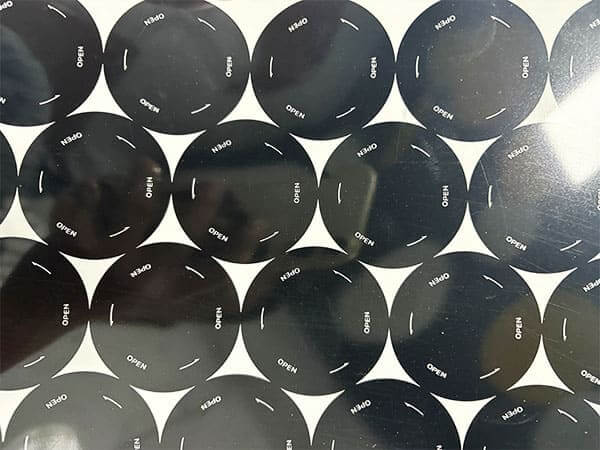
3) Blanking and punching: Creating cap shapes with tight tolerances.
4) Deep drawing and ironing (where applicable): Forming the shell to achieve required depth and dimensions for threads and closure profile.
5) Surface finishing and coating: Applying lacquer, laminate, or passivation as needed.
6) Assembly-ready finishing: Quality checks, packaging, and preparation for liner lamination or direct assembly with caps.
Process control elements, such as gauge tolerance, straightness, and surface finish, are essential for uniform cap performance and compatibility with downstream equipment on bottling lines.

Applications and Market Trends for Screw Caps
Beverage packaging: wine, spirits, beer, and non-alcoholic beverages
The beverage sector is a principal driver of 8011-based screw cap closures. Key trends include:
- Premiumization of packaging: Consumers increasingly expect premium closures that combine aesthetics with reliable sealing. Aluminum screw shells with appropriate finishes meet both requirements.
- Sustainability emphasis: Aluminum is highly recyclable, and retailers prize closures that enable strong circular economy messaging. The ability to reclaim cap shells and integrate liners efficiently adds value.
- Shelf stability and product integrity: Airtight seals reduce oxidation, preserving flavor and aroma profiles in wine and spirits. 8011-based shells that interface well with liner systems contribute to this stability.
Oils, vinegars, and specialty products
Beyond beverages, 8011 aluminum for screw caps is used in securing bottles of edible oils, vinegars, and specialty liquids where a reliable closure and barrier are essential.
The combination of formability and barrier performance supports varied bottle shapes and sizes, including slender necks or unconventional profiles.
Pharmaceuticals and nutraceuticals
In certain pharmaceutical and nutraceutical contexts, screw-cap closures require robust barrier properties and reliable tamper-evidence features.
Aluminum closures with suitable liner systems and surface treatments can meet the stringent requirements of these markets, provided material compatibility and regulatory compliance are verified.
Market dynamics: supply chain resilience and sustainability
Raw material availability: Alloy demand fluctuations can affect pricing and lead times. Diversified supplier portfolios and long-term contracts help stabilize supply.
Recycling and lifecycle impact: Aluminum's recyclability contributes to lower cradle-to-gate environmental footprints when proper recycling streams are established.
Regulatory alignment: Food-contact compliance, labeling, and safety standards influence material selection and testing regimes for closures.
Manufacturing and Supply Chain Considerations
Successful deployment of 8011 aluminum for screw caps requires careful attention to specification development, processing, and supplier relationships.
The following considerations are common across successful programs.
Establishing specifications: thickness, tolerances, and temper
Gauge and thickness control: Close tolerance for cap shell thickness ensures consistent neck finish contact and mechanical fit with liners and cap liners.
Dimensional tolerances: Precision in diameter, height, and thread profile affects sealing performance and machine compatibility.
Temper selection: O temper or lightly work-hardened tempers often deliver optimal formability for shells, while maintaining sufficient strength to resist deformation during handling and final assembly.
Surface finish: Choose finishes based on liner compatibility and branding requirements. Some brands may require specific sheen or embossing on the exterior surface.
Coatings, liners, and compatibility
Liners: The liner system (foil, film, or polymer-based) interacts with the cap interior. Compatibility testing ensures no adhesive migration or delamination, and that the liner maintains seal integrity through shelf life.
Coatings: Exterior lacquer coatings may be applied for branding and consumer appeal, while interior coatings or lacquers focus on barrier properties and compatibility with contents.
Bonding and adhesion: Adhesive performance between liner, lacquer, and shell is crucial. Adhesion testing under varying humidity and temperature conditions helps predict long-term performance.
Processing efficiency and quality management
Process capability: Statistical process control (SPC) on gauge, surface quality, and dimensional tolerances reduces scrap and rework.
Surface inspection: Non-destructive testing methods (e.g., eddy current or visual inspection) help detect surface defects that could compromise seal integrity.
Scrap rate management: Efficient trimming, blanking, and recycling loops minimize material waste, improving overall costs.
Supply chain resilience and sustainability
Supplier diversification: Relying on a single supplier for critical lots can introduce risk. A multi-supplier approach with acceptable lead times improves resilience.
Logistics and storage: Proper storage to prevent surface damage or contamination is essential for maintaining quality up to the point of use.
Environmental considerations: Sustainable practices throughout the supply chain, including sustainable sourcing, energy efficiency in rolling operations, and responsible waste management, are increasingly demanded by customers and regulators.
Huawei Aluminum: A Trusted Supplier for 8011 Aluminum for Screw Caps
Company profile
Huawei Aluminum is a major aluminum production and service provider with an integrated supply chain spanning mining, refining, rolling, and finishing.
The company's product portfolio includes billet, ingot, sheet, and foil products across a range of alloys, including 8xxx-series compositions suitable for packaging closures.
Organizations often choose Huawei Aluminum for:
- Consistent product quality and reliable supply
- Broad capability in producing thin gauge sheets and foils used in closures
- Comprehensive quality management systems and certifications
- Customization capabilities to meet specific thickness, temper, and coating requirements
Certifications and quality management
To align with global customer requirements, Huawei Aluminum typically maintains quality certifications and process controls aligned with industry standards. Potential frameworks include:
- ISO 9001: Quality management systems for process consistency
- ISO 14001: Environmental management considerations for production
- OHSAS/ISO 45001: Occupational health and safety standards
- Industry-specific certifications related to food-contact materials and packaging (as applicable to target markets)
As with any supplier, customers should request the latest certificates and conduct supplier audits or third-party verification to confirm compliance with their own regulatory requirements and internal standards.
Why choose Huawei Aluminum for 8011 screw-cap needs?
Proven capability in standard and customized gauge products for closure applications
Potential for integrated supply chain efficiency through a single-source approach
Access to a wide array of coating, finishing, and lamination options
Emphasis on quality control and customer support during design, qualification, and production ramp-ups
Choosing Huawei Aluminum for 8011 screw-cap material should involve a detailed supplier evaluation, including sample trials, process capability studies, and verification of packaging-line compatibility.
8011 Aluminum for Screw Caps VS Alternatives
| Alloy | Typical Formability | Barrier Properties (with standard laminates/liners) | Corrosion Resistance | Cost (relative) | Food-Contact Suitability | Common Uses in Closures |
|---|---|---|---|---|---|---|
| 8011 (Al-Mn, non-heat-treatable) | High; excellent drawability; good for thin-walled shells | Good with appropriate coatings/laminates, strong in multilayer systems | Excellent in most beverages and oils with proper surface treatment | Moderate; balanced for large-scale production | Excellent, widely used in closures with liners | Beverage closures, wine caps, oil/vinegar caps, specialty closures |
| 1100 (Al, commercially pure) | Very high formability; easy to deep draw | Moderate barrier; relies heavily on laminates | Good, but not as robust as stronger alloys | Lower than 8011 | Good for certain liminal applications; not ideal for high-barrier needs | Simple closures with high-draw requirements |
| 3003 (Al-Mn, non-heat-treatable) | Good formability; moderate strength | Moderate barrier with appropriate laminates | Good corrosion resistance | Moderate to lower | Suitable for some non-beverage closures | General closures, some bottle caps with specific liner systems |
| 8079 (Al-Mn, foil-grade) | Excellent for foil and barrier-heavy applications | Very good barrier, especially when used as foil or laminate layer | Very good corrosion resistance with proper surface treatment | Higher than 8011 | Good for premium barrier performance | Foil shims, liner layers, barrier components in specialized closures |
| 5052 (Al-Mg) | Good formability for thicker shell components | Moderate to strong depending on laminate structure | Good corrosion resistance | Higher in some markets | Acceptable with liners; not common for high-volume beverage caps | Caps requiring greater rigidity in combination with liners |
Notes:
- The table emphasizes that actual performance depends heavily on the complete closure architecture, including liner types, coatings, adhesive systems, and processing controls.
- 8011 is often the preferred baseline for beverage closures because of its excellent balance of formability, cost, and compatibility with commonly used liner systems.
- When selecting an alloy, you should consider your specific contents (acidic, citrus, oil-based, etc.), storage conditions, and regulatory requirements.
FAQs About 8011 Aluminum for Screw Caps
Q1: What makes 8011 aluminum better for screw caps than other alloys?
- Answer: 8011 offers an excellent balance of formability, cost, and compatibility with liner systems. Its non-heat-treatable nature and ability to be drawn into thin shells with tight tolerances make it well-suited to high-volume cap production. When combined with appropriate coatings and laminates, 8011 closures deliver reliable seals and strong barrier performance.
Q2: Is 8011 suitable for all beverage categories?
- Answer: It is widely used for wine, spirits, beer, and non-alcoholic beverages, particularly when combined with compatible liner systems and coatings. For extremely aggressive contents or specialized storage conditions, testing is recommended to confirm long-term performance.
Q3: How important is temper choice for screw-cap shells?
- Answer: Temper affects formability and subsequent mechanical performance. O-temper or lightly work-hardened tempers generally provide the best drawability for shells, with controlled springback and consistent wall thickness. The final temper choice should balance forming efficiency with on-line handling requirements.
Q4: What role do coatings and liners play in performance?
- Answer: Coatings and liners significantly influence barrier performance and seal integrity. Exterior coatings affect branding and abrasion resistance, while interior coatings and liners determine adhesion, seal strength, and chemical compatibility with contents. Proper testing ensures reliability across shelf life.
Q5: What kind of testing should be performed before mass production?
- Answer: Essential tests include forming trials (deep drawing and necking), dimensional tolerance checks, surface finish verification, liner adhesion tests, corrosion and chemical compatibility testing, accelerated aging tests, and regulatory compliance checks for food-contact materials.
Q6: How do I ensure sustainability in screw-cap production?
- Answer: Focus on material efficiency, waste reduction, and recycling. Optimize gauge to minimize scrap, implement scrap recovery loops, and partner with suppliers who emphasize responsible sourcing and environmental stewardship. Aluminum's recyclability is a strong sustainability advantage when properly implemented in the supply chain.
Conclusion
8011 Aluminum for Screw Caps represents a pragmatic and effective material choice for modern closures, offering robust formability, good barrier performance when paired with appropriate coatings and laminates, and reliable compatibility with food-contact requirements.
For beverage, oil, and specialty packaging, 8011 shells can deliver consistent sealing performance, long shelf life, and favorable total cost of ownership when used in well-designed cap–liner systems.
A strong supplier relationship is critical to realizing these benefits. Huawei Aluminum, with its established capability in 8011 sheet and foil production and its broad finishing options, can be a valuable partner for manufacturers seeking scalable, high-quality closure materials.
Through careful specification, rigorous testing, and collaboration across the supply chain, packaging teams can achieve reliable closures that meet consumer expectations and regulatory requirements, while also advancing sustainability and cost-efficiency goals.
Send Inquiry
