

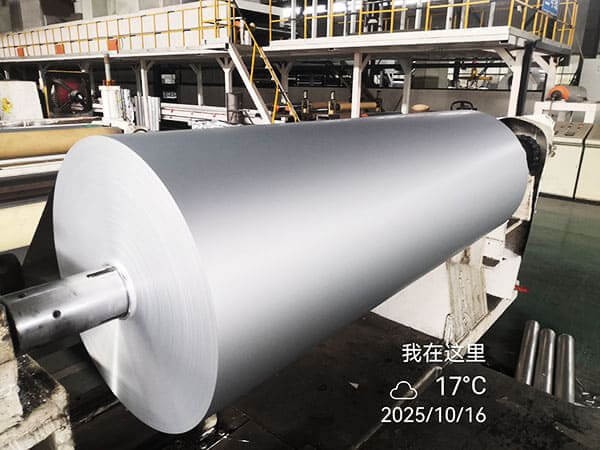

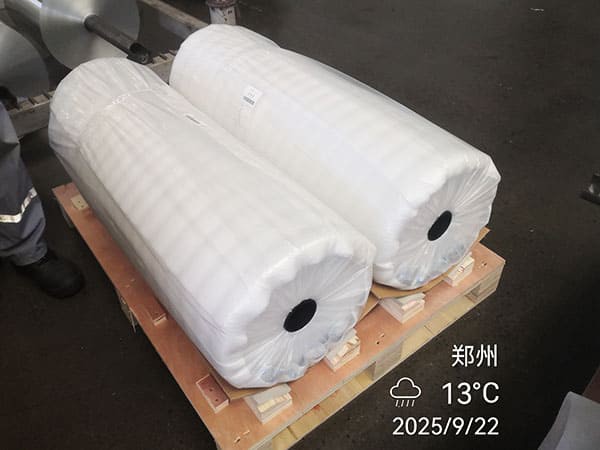

Honeycomb Core Used 3104 Aluminum Foil
Honeycomb Core Fundamentals: Exploring the Role of 3104 Aluminum Foil in Honeycomb Assemblies
Honeycomb Core used 3104 aluminum foil is a topic gathering momentum across aerospace, automotive, packaging, and architectural sectors.
This material combination leverages the distinctive qualities of 3104 aluminum foil-excellent formability, corrosion resistance, and compatibility with adhesive bonding-together with a hexagonal honeycomb core to deliver high stiffness, energy absorption, and weight efficiency.
In this guide, we unpack the science, the practical considerations, and the market realities behind honeycomb cores that use 3104 aluminum foil, with a focus on reliability, performance metrics, and supplier perspectives, including Huasheng Aluminum, a recognized name in aluminum solutions.
The phrase Honeycomb Core used 3104 aluminum foil signals a specialized composite structure in which thin, flexible 3104 foil sheets form the faces of a hexagonal honeycomb core.
This configuration yields a lightweight panel with exceptional bending stiffness and energy absorption, while maintaining durability in challenging environments. Such cores pair well with outer skins made from aluminum alloys or composites, producing panels suitable for load-bearing applications, impact resistance, and thermal management.
The synergy arises from the foil's ductility and bonding capability, the core's geometric open-cell architecture, and the overall optimization of mass and strength.
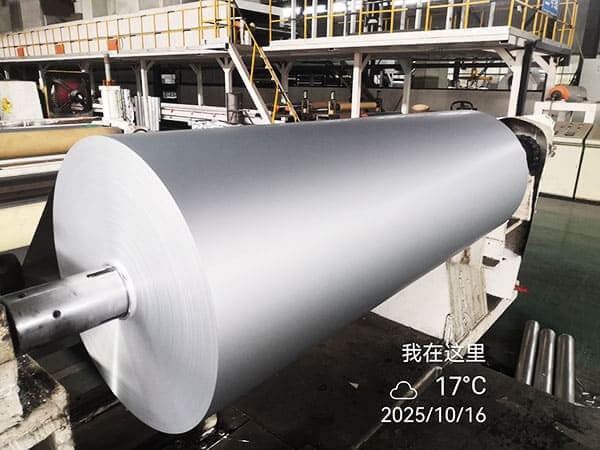
Understanding Honeycomb Core Technology
What is a honeycomb core?
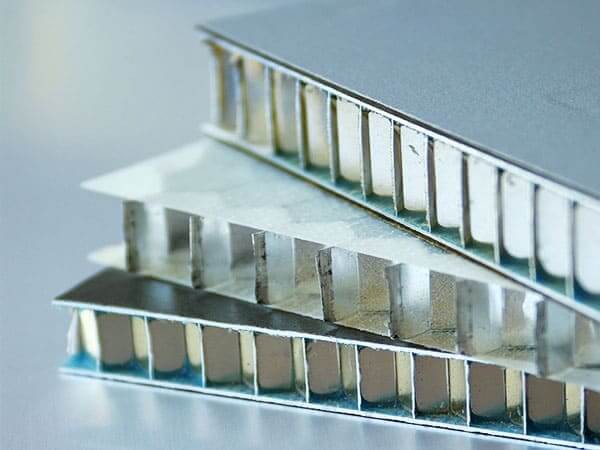
A honeycomb core is a lightweight, 2D hexagonal lattice that provides thickness and rigidity to sandwich panels.
The core's geometry distributes loads efficiently, enabling high out-of-plane stiffness and excellent energy absorption when subjected to crushing or impact. The principal advantages include:
High stiffness-to-weight ratio
Superior energy absorption per unit mass
Good impact resistance with controlled deformation
Thermal management potential through open-cell geometry
Compatibility with adhesive bonding and riveted or mechanical joints
Honeycomb cores can be made from various materials, including aluminum alloys, paper, Nomex, aramid-fiber composites, and other advanced materials.
Aluminum honeycomb cores are among the most common in aerospace and automotive interiors due to their excellent rigidity, corrosion resistance, and manufacturability.
Why use aluminum foil in honeycomb cores?
Aluminum foils as face sheets or as faces in a honeycomb assembly offer several compelling benefits:
Bondability: Aluminum foils accept coatings and adhesives readily, enabling strong interfaces with outer skins.
Malleability and conformity: Foils can be formed to accommodate complex geometries without cracking, which is critical when forming curved panels or intricate shapes.
Corrosion resistance: Aluminum alloys, particularly 3xxx and 5xxx series, show robust corrosion resistance in many environments, which helps extend panel life.
Weight efficiency: Ultra-thin foils minimize added mass while maintaining structural integrity when used as part of the face sheet architecture.
Thermal performance: Aluminum's thermal conductivity can help with heat dissipation in certain panel applications, particularly where electronics or mechanical systems generate heat.
When combined with a honeycomb core, 3104 aluminum foil contributes to a panel that is light yet strong, resilient to environmental factors, and capable of aging with predictable performance under vibration, impact, and temperature cycling.
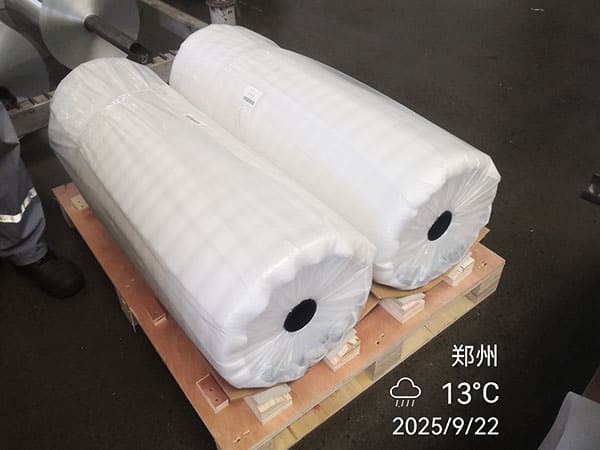
3104 Aluminum Foil as a Core Material
Alloy 3104: Composition and general properties
Aluminum 3104 is part of the 3xxx series, known for aluminum-magnesium alloys with manganese as a major alloying addition.
This family is renowned for good formability, excellent corrosion resistance, and ease of welding and bonding.
While the exact composition can vary by mill and temper, typical characteristics include:
Base: Aluminum (Al)
Magnesium (Mg): roughly 1.0–2.2% (with variations by temper)
Manganese (Mn): roughly 0.3–1.0%
Silicon and iron: residual traces
Impurities: controlled to meet aerospace and packaging standards
A standout trait of 3104 is its combination of ductility and strength relative to other common foil alloys.
These qualities support tight bonding using high-performance adhesives, allowing the foil faces to integrate effectively with a honeycomb core.
In foil form, 3104 benefits from the alloy's ability to elongate and distribute local stresses, reducing the risk of cracking or delamination during forming and service.
Foil manufacturing and tempering
The production of 3104 aluminum foil typically involves multi-pass rolling, rolling reductions, and intermediate annealing to achieve the target thickness and surface finish.
The foil is then tempered to a suitable state (for example, H-something in the H31/H19 families) that balances formability with mechanical stability.
For honeycomb core applications, the foil often undergoes surface treatments or coatings to maximize bond strength with adhesive systems and to optimize corrosion behavior.
The temper and surface condition influence key performance metrics, including:
Bond strength to adhesives and outer skins
Fatigue life under cyclic loading
Stacking or riveting compatibility with the core
Dimensional stability under temperature variations
Advantages of 3104 foil in honeycomb cores
Using 3104 foil in a honeycomb assembly offers several practical advantages:
Enhanced bond performance: The ductility and surface compatibility of 3104 facilitate stronger adhesive bonds to the core and face sheets, reducing delamination risk under load.
Improved corrosion resistance: In many environments, 3104 maintains a stable oxide film that resists pitting and uniform corrosion, prolonging panel life.
Good formability for intricate geometries: The foil's ductility helps in forming and bonding into tight radii or complex shapes that appear in automotive and aerospace components.
Cost-effectiveness: Relative to some high-strength alternatives, 3104 provides a favorable cost-to-performance ratio for many interior and non-structural applications.
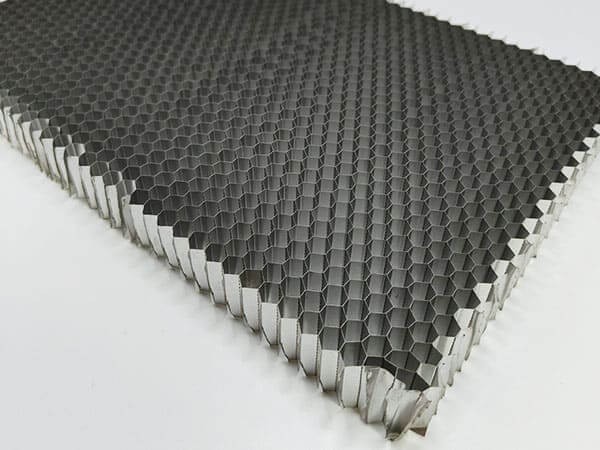
Performance: How 3104 Foil and Honeycomb Core Deliver Value
Mechanical properties and performance metrics
The performance of honeycomb cores that use 3104 aluminum foil hinges on a set of interrelated properties.
While exact values depend on thickness, temper, adhesive system, core cell size, and skin materials, typical performance characteristics include:
Out-of-plane bending stiffness: Higher than many solid laminates of equivalent weight due to the core's geometry; aluminum foils contribute to face integrity and bonding performance.
Energy absorption: The hexagonal core geometry converts compressive loads into controlled plastic deformation, absorbing significant energy before catastrophic failure. This is especially important in crashworthiness or impact mitigation scenarios.
Crush strength per unit weight: The core's cell geometry and foil bonding produce high crush strength relative to mass, enabling lightweight yet robust panels.
Fatigue resistance: Proper bonding and clean interfaces help the panel resist fatigue under cyclic loads common in transport and machinery.
A representative takeaway is that honeycomb cores with 3104 foil can deliver high stiffness and energy absorption for weight-critical applications while maintaining corrosion resistance and bonding reliability.
3104 foil vs other common aluminum foils in honeycomb cores
| Property | 3104 foil (typical) | 3003 foil (typical) | 5052 foil (typical) | Notes |
|---|---|---|---|---|
| Alloy family | Al-Mg-Mn (3xxx) | Al-Mg (3xxx) | Al-Mg (5xxx) | 3xxx series favored for formability and corrosion resistance; 5xxx offers higher strength. |
| Formability (foil) | Excellent | Excellent | Good | Ductility aids bonding and conformity. |
| Corrosion resistance | Very good | Very good | Excellent in many environments | Mn addition improves pitting resistance relative to some 3xxx foils. |
| Bonding suitability | High | High | Moderate to high | Surface finish and temper influence adhesive performance. |
| Typical temper (foil) | Hxx/H18 variants | Hxx variants | Hxx variants | Choice depends on forming, bonding, and service. |
| Typical density influence | Low to moderate | Low to moderate | Low to moderate | All are around 2.70 g/cm3; thickness drives weight in the panel. |
Notes:
- The table reflects commonly observed tendencies in industry practice; exact values vary by manufacturer, thickness, foil surface treatment, and bonding regimen.
- For honeycomb cores, the choice between 3104 and other foils often centers on bond performance, corrosion environment, and cost considerations rather than a single metric.
Application-specific performance considerations
Automotive interior panels: The combination of 3104 foil with a lightweight hexagonal core can yield panels that resist denting, deliver tactile feel, and maintain aesthetic consistency across a wide temperature range.
Aerospace interiors and components: Weight savings are critical; the 3104 foil's ductility and bonding compatibility support robust panel assemblies that meet safety and reliability requirements.
Packaging and consumer electronics housings: For panels requiring stab resistance, thermal management, or packaging strength, a 3104 foil-based honeycomb core can deliver both rigidity and resilience.
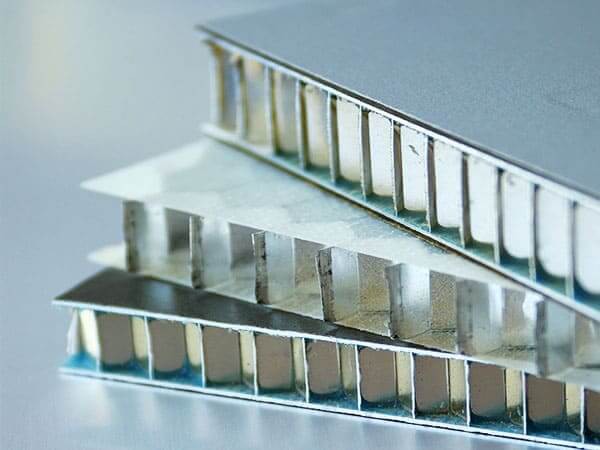
Applications Across Industries
Automotive and transportation
Interior panels: Dashboards, door panels, and instrument clusters benefit from high stiffness, low weight, and good bonding with decorative skins.
Structural components: Light weight, crash energy management, and dimensional stability under cabin temperature cycling are attractive features.
Aerospace and aviation
Aircraft panels: Weight-sensitive applications like cabin ceilings, sidewalls, and cargo barriers use honeycomb cores to achieve required stiffness with reduced mass.
Thermal management interfaces: The conductor-like thermal properties of aluminum can support heat dissipation along panel interfaces and equipment housings.
Packaging and consumer products
Protective cases: Lightweight, rigid enclosures for electronics or consumer goods leverage the energy absorbent properties of honeycomb cores.
Food packaging and safety panels: The corrosion resistance of 3104 foil contributes to longer life in certain packaging environments.
Construction and industrial equipment
Cladding and architectural panels: Weather exposure and corrosion demands are balanced by aluminum's inherent properties; honeycomb cores help achieve large panel spans with minimal weight.
Manufacturing, Bonding, and Quality Assurance
Fabrication workflow for honeycomb cores using 3104 aluminum foil
Raw material selection: Source 3104 aluminum foil with appropriate temper, surface finish, and coating as needed for adhesion.
Core fabrication: Produce the hexagonal honeycomb core from stacked sheets or from a preform process; ensure uniform cell size and consistent cell walls.
Adhesive bonding: Apply a compatible adhesive system to the foil faces and core; cure under controlled conditions to maximize bond strength and avoid residual stresses.
Skin bonding or fastening: Attach outer skins (metal, composite, or polymer) using adhesive bonding, mechanical fasteners, or a combination of methods.
Finishing and inspection: Perform dimensional checks, surface treatment, and nondestructive testing to verify bond integrity, delamination resistance, and overall panel quality.
Bonding methods and considerations
Adhesive selection: Choose high-performance structural adhesives designed for aluminium bonding; consider curing temperature compatibility with foil temper and core materials.
Surface preparation: Thorough cleaning and potential micro-etching or pre-treatment improve adhesion and long-term performance.
Environmental sealing: In outdoor or corrosive environments, protective coatings or sealants can help withstand humidity, salts, and pollutants.
Delamination resistance: A key performance indicator for honeycomb cores; robust bonding reduces risk of core-face separation under load.
Quality assurance and testing
Visual inspection: Check for surface irregularities, bonding flash, and edge integrity.
Bondline peel and shear tests: Evaluate the strength of the adhesive interface between the foil faces, core, and skins.
Compression tests: Determine core-specific crush strength and stiffness under quasi-static loading.
Energy absorption testing: Measure the panel's energy absorption per unit mass during controlled crush tests.
Environmental conditioning: Expose samples to humidity, salt spray, and temperature cycling to evaluate durability.
Huasheng Aluminum: Supplier Perspective and Capabilities
Introduction to Huasheng Aluminum
Huasheng Aluminum Co., Ltd. is a recognized supplier in the aluminum industry, known for manufacturing and supplying a broad range of aluminum products, including foils, sheets, and complex laminated assemblies.
The company emphasizes quality, supply chain reliability, and customer-centric customization. In the context of honeycomb cores using 3104 aluminum foil, Huasheng Aluminum's capabilities often include:
Material supply: 3104 aluminum foil in multiple temper options, thicknesses, and surface treatments designed for bonding with-core and face-sheet systems.
Custom core and panel solutions: Tailored cell geometry, core density, and bonding approaches to meet specific weight, stiffness, and energy absorption targets.
Process and quality controls: Industry-standard certifications, process controls, and testing protocols to support aerospace, automotive, and industrial applications.
Logistics and supply chain resilience: Global or regional distribution capabilities, ensuring timely delivery and consistent material quality.
Certifications and quality management
Huasheng Aluminum and similar suppliers typically pursue: ISO 9001 quality management, ISO 14001 environmental management, and product-specific certifications (e.g., aviation/aerospace supplier standards).
For customers using 3104 foil honeycomb cores, verification of adhesive compatibility data sheets, corrosion testing data, and bonding performance reports are essential inputs to the design validation process.
Why reputable suppliers matter for honeycomb core projects
Material traceability: For aerospace and automotive applications, traceability of foil batches, temper, and surface treatments is essential.
Consistent bonding performance: A reliable supplier ensures foil surface quality and adhesion compatibility with the chosen core materials and outer skins.
Predictable lead times: In high-demand projects, supplier reliability reduces schedule risk and ensures design iterations proceed smoothly.
Technical support: Experienced engineering teams can supply design guidelines, recommended processing windows, and failure analysis support when delamination or bonding issues arise.
Design and Optimization: Practical Guidelines
Key design parameters for honeycomb cores with 3104 foil
Core cell size and thickness: Smaller cell sizes offer higher shear stiffness, while larger cells can improve toughness and energy absorption. Foil thickness interacts with core geometry to determine bonding surface area and stiffness.
Face-sheet materials: Aluminum alloys, composites, or polymer skins influence overall panel performance and bonding strategies.
Adhesive system: The adhesive must tolerate service temperatures, humidity, and potential chemical exposure while delivering sufficient shear strength.
Environmental exposure: Salt spray, humidity, or UV exposure can impact long-term performance; appropriate coatings and sealants mitigate these risks.
Manufacturing tolerances: Control over foil thickness uniformity, surface finish, and core dimensional accuracy ensures consistent mechanical behavior across panels.
Design tips for maximizing performance
Favor consistent bonding lines: Ensure uniform adhesive coverage across the face-to-core interface to avoid localized delamination.
Optimize core density: Higher density can increase stiffness but adds weight; seek an optimal mass-stiffness balance for the target application.
Plan for thermal cycles: Temperature variations can induce differential expansion; select materials and coatings with matched coefficients of thermal expansion (CTE) to minimize stress.
Consider edge protection: Edges are prone to damage and corrosion; protective edge coatings or sealing can extend life.
Practical considerations for procurement and production
Material sourcing: Verify 3104 foil temper, surface condition, and any protective coatings that influence bonding.
Bonding chemistry: Confirm adhesive data sheets for cure temperature, viscosity, and bond strength at service conditions.
Testing and qualification: Build a testing plan that includes bonding integrity, crush strength, energy absorption, and environmental conditioning to meet industry standards and customer requirements.
Comparative Analysis: 3104 Foil vs Alternatives
| Criterion | 3104 foil (Al-Mg-Mn) | 3003 foil (Al-Mg) | 5052 foil (Al-Mg) | Practical takeaway |
|---|---|---|---|---|
| Alloy family | 3xxx | 3xxx | 5xxx | 3xxx alloys are typically more formable and corrosion resistant than some 5xxx grades in thin foils. |
| Bonding performance | High | High | Moderate to high | 3104's manganese assistance can improve bonding reliability in some environments. |
| Corrosion resistance | Very good | Very good | Excellent in many environments | All perform well, but 5052 may beat in severe outdoor exposure. |
| Strength-to-weight efficiency | High | High | Very high | For premium stiffness with moderate weight, 3104 is a solid choice. |
| Cost considerations | Moderate | Lower | Higher | 3104 is often a cost-effective middle ground. |
| Typical temper options | Hxx/H18 variants | Hxx variants | Hxx variants | Temper selection impacts formability and bonding; choose based on manufacturing needs. |
Notes:
- The table emphasizes comparative tendencies rather than universal absolutes. Actual performance depends on cell geometry, core density, skin material, adhesives, and processing controls.
FAQs
Q1: What is the main advantage of using Honeycomb Core with 3104 aluminum foil compared to other core materials?
- The combination offers excellent stiffness-to-weight ratio, robust bonding with aluminum skins, good corrosion resistance, and strong energy absorption characteristics, making it suitable for weight-sensitive applications requiring durable panel assemblies.
Q2: How does temper affect the performance of 3104 foil in honeycomb cores?
- The temper influences ductility, surface finish, and bonding behavior. For bonding-heavy applications, a temper that balances formability with mechanical stability (such as a mild Hxx or H18-like temper) is often used. Process controls during bonding, surface preparation, and curing play a critical role in achieving reliable performance.
Q3: What are the most important tests to qualify a 3104 foil honeycomb panel?
- Bondline shear and peel tests to evaluate adhesive interfaces; compression and crush tests to measure stiffness and energy absorption; environmental conditioning (humidity, salt spray, temperature cycling) to assess durability; and visual NDT checks for delamination and core integrity.
Q4: How does Huasheng Aluminum fit into the supply chain for these panels?
- Huasheng Aluminum can provide 3104 aluminum foil, core materials, and finished or semi-finished honeycomb core assemblies, along with surface treatments and bonding-compatible coatings. They offer technical support, testing data, and certification documentation essential for aerospace, automotive, and industrial applications.
Q5: Are there environmental or safety considerations when using 3104 foil in honeycomb cores?
- Yes. While aluminum alloys are generally recyclable and corrosion-resistant, processing and adhesives may involve solvents or curing agents. It is essential to evaluate environmental impact data, ensure compliance with local regulations, and apply appropriate protective coatings and safe handling practices during manufacturing.
Q6: What factors drive cost in honeycomb core panels using 3104 foil?
- Material costs for 3104 foil, core geometry and density, surface treatments, adhesive systems, skin materials, and processing steps (bonding, curing, quality testing) all contribute. Supplier flexibility, lead times, and volume commitments also influence the overall cost.
Conclusion
If you are evaluating materials for a new panel or wish to optimize an existing honeycomb assembly, consider the interplay between foil temper, bond integrity, core geometry, and the external skin, alongside supplier capability and quality assurance expertise.
The integration of 3104 aluminum foil into honeycomb cores remains a compelling option for teams prioritizing light weight, stiffness, and reliability in challenging environments.
For further inquiries or to access technical data sheets, please contact Huasheng Aluminum or a qualified aluminum solutions provider specializing in 3104 foil and honeycomb core assemblies.
Their engineers can provide design recommendations, bonding guidelines, and test results aligned with your project requirements, from concept through qualification and production.
Send Inquiry
