Introduction: The 1000 series aluminum alloys are renowned for their exceptional corrosion resistance, high ductility, and reflective finish, making them a popular choice across various industries. In this blog, we will delve into the specifics of the 1000 series, focusing on the chemical compositions, mechanical, and thermal properties of the most common grades: 1050A, AA1050, AA1060, and AA1100.
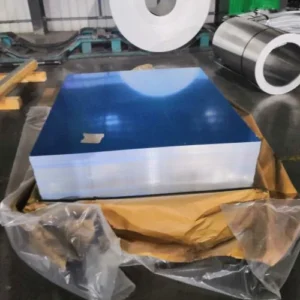
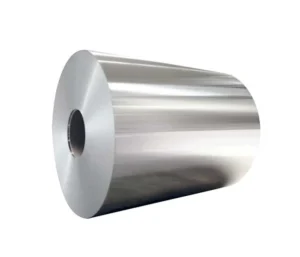
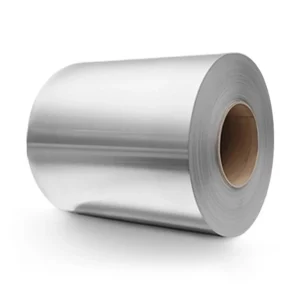
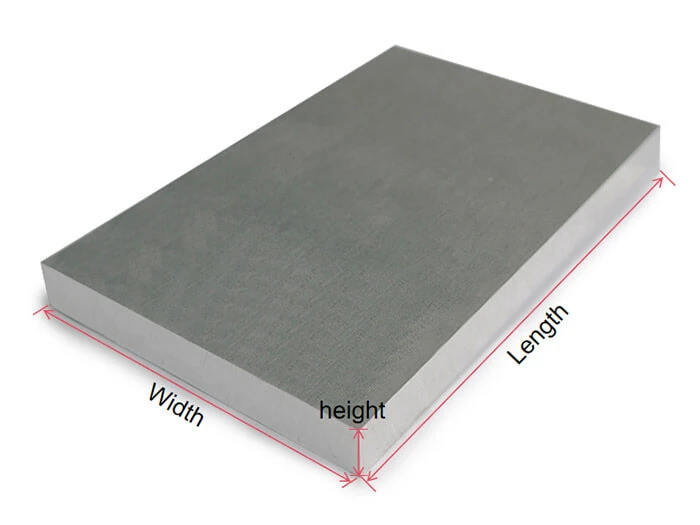
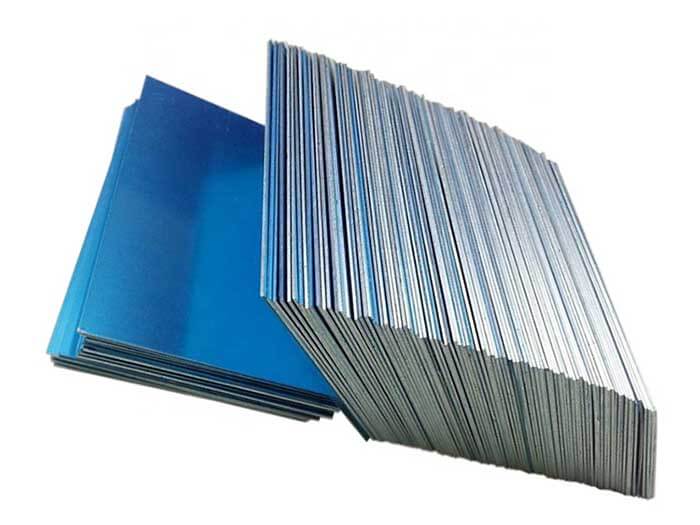
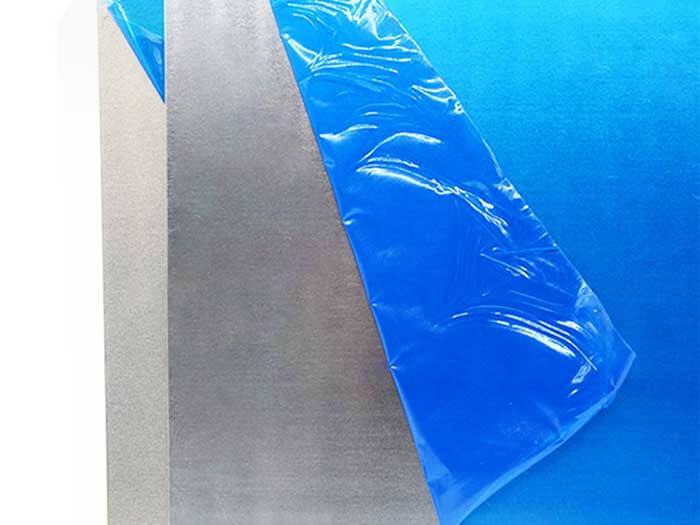
1000 series aluminum alloys can be processed into different forms of products through a variety of processes, including rods, profiles, tubes, plates and coils. Among them, huawei aluminum specializes in providing plates and coils.
| Element | Percentage |
| Manganese (Mn) | 0.0 – 0.05% |
| Iron (Fe) | 0.0 – 0.4% |
| Copper (Cu) | 0.0 – 0.05% |
| Magnesium (Mg) | 0.0 – 0.05% |
| Silicon (Si) | 0.0 – 0.25% |
| Zinc (Zn) | 0.0 – 0.07% |
| Titanium (Ti) | 0.0 – 0.05% |
| Chromium (Cr) | 0.0% |
| Residuals | 0.0% |
| Aluminium (Al) | 99.5 – 100% |
| Element | Percentage |
| Manganese (Mn) | 0.0 – 0.05% |
| Iron (Fe) | 0.0 – 0.4% |
| Copper (Cu) | 0.0 – 0.05% |
| Magnesium (Mg) | 0.0 – 0.05% |
| Silicon (Si) | 0.0 – 0.25% |
| Zinc (Zn) | 0.0 – 0.05% |
| Titanium (Ti) | 0.0 – 0.03% |
| Chromium (Cr) | 0.0% |
| Residuals | 0.0% |
| Aluminium (Al) | 99.5 – 100% |
| Element | Percentage |
| Manganese (Mn) | 0.0 – 0.03% |
| Iron (Fe) | 0.0 – 0.35% |
| Copper (Cu) | 0.0 – 0.05% |
| Magnesium (Mg) | 0.0 – 0.03% |
| Silicon (Si) | 0.0 – 0.25% |
| Zinc (Zn) | 0.0 – 0.05% |
| Titanium (Ti) | 0.0 – 0.03% |
| Chromium (Cr) | 0.0% |
| Residuals | 0.0% |
| Aluminium (Al) | 99.6 – 100% |
| Element | Percentage |
| Manganese (Mn) | 0.0 – 0.05% |
| Iron (Fe) | 0.0 – 1.0% |
| Copper (Cu) | 0.05 – 0.2% |
| Magnesium (Mg) | 0.0% |
| Silicon (Si) | 0.0 – 1.0% |
| Zinc (Zn) | 0.0 – 0.1% |
| Titanium (Ti) | 0.0% |
| Chromium (Cr) | 0.0% |
| Residuals | 0.0% |
| Aluminium (Al) | 99 – 99.95% |
| Property | Value |
| Elastic Modulus | 68 GPa |
| Elongation at Break | 1.1 – 33% |
| Fatigue Strength | 22 – 55 MPa |
| Poisson's Ratio | 0.33 |
| Shear Modulus | 26 GPa |
| Shear Strength | 44 – 97 MPa |
| UTS | 68 – 170 MPa |
| Yield Strength | 22 – 150 MPa |
| Brinell Hardness | 20 – 45 |
| Property | Value |
| Elastic Modulus | 68 GPa |
| Elongation at Break | 4.6 – 37% |
| Fatigue Strength | 31 – 57 MPa |
| Poisson's Ratio | 0.33 |
| Shear Modulus | 26 GPa |
| Shear Strength | 52 – 81 MPa |
| UTS | 76 – 140 MPa |
| Yield Strength | 25 – 120 MPa |
| Brinell Hardness | – |
| Property | Value |
| Elastic Modulus | 68 GPa |
| Elongation at Break | 1.1 – 30% |
| Fatigue Strength | 15 – 50 MPa |
| Poisson's Ratio | 0.33 |
| Shear Modulus | 26 GPa |
| Shear Strength | 42 – 75 MPa |
| UTS | 63 – 130 MPa |
| Yield Strength | 17 – 110 MPa |
| Brinell Hardness | – |
| Property | Value |
| Elastic Modulus | 69 GPa |
| Elongation at Break | 1.1 – 32% |
| Fatigue Strength | 1.1 – 32% |
| Poisson's Ratio | 0.33 |
| Shear Modulus | 26 GPa |
| Shear Strength | 54 – 95 MPa |
| UTS | 86 – 170 MPa |
| Yield Strength | 28 – 150 MPa |
| Brinell Hardness | – |
| Property | Value |
| Latent Heat of Fusion | 400 J/g |
| Maximum Mechanical Temperature | 170 – 180 °C |
| Melting Completion (Liquidus) | 640 – 660 °C |
| Melting Onset (Solidus) | 640 – 650 °C |
| Specific Heat Capacity | 900 J/kg–K |
| Thermal Conductivity | 220 – 230 W/m–K |
| Thermal Expansion | 24 µm/m–K |
With its excellent performance and various processing forms, 1000 series aluminum alloy has become an indispensable material in many industries and shows a wide range of application prospects.
Scientific experiments and chemical industry
Aluminum with a content of no less than 99.85% is classified as high-purity aluminum and is mainly used in scientific experiments, chemical industry and some special purposes. Aluminum with a content of 99.0% to 99.85% is classified as industrial pure aluminum and is widely used in various industrial applications.
Pressure vessels and food packaging
1000 series aluminum alloys are commonly used in the manufacture of pressure vessels and food packaging due to their ease of processing and good rust resistance. These properties make them ideal for products such as food containers, storage tanks, pipes, wires and cables.
food processing
In the food processing industry, 1000 series aluminum alloys are widely used to make pots, lids, tableware and cookware. It is non-corrosive, easy to form, and safe for food contact, making it ideal for use on a variety of kitchen equipment.
Building Decoration
1000 series aluminum alloy plates, profiles and rods are widely used in the field of building decoration. Because these materials are lightweight, fade-resistant, fireproof, waterproof, and oxidation-resistant, they are often used to make doors, windows, exterior walls, curtain walls, and exterior wall panels of buildings.

chemical industry
In the chemical industry, 1000 series aluminum alloy materials are suitable for producing synthetic resin catalysts, manufacturing chemical equipment, storage tanks and pressure vessels, etc. These applications take advantage of the excellent corrosion resistance and stability of aluminum alloys.
IT
1000 series aluminum alloys are used in the electronics industry to make protective layers for wires and cables and transformer strips. Its good electrical conductivity and antioxidant properties make it of great application value in electronic devices.
Automobile industry
In the automotive industry, 1000 series aluminum alloys are widely used in body parts, engine parts, transmission housings, braking systems, mufflers, radiators and electronic control components. Its lightweight and excellent mechanical properties contribute to the modernization and efficiency of automobile manufacturing.