When it comes to the heart of transformer manufacturing, one of the most critical components is the aluminum strip used for windings.
Aluminum strips are not only known for their electrical conductivity but also for their excellent mechanical properties, which make them ideal for use in transformers.
In this guide, we will explore the essential characteristics of aluminum strips for transformers, their benefits, applications, and how they compare to other materials, such as copper strips.

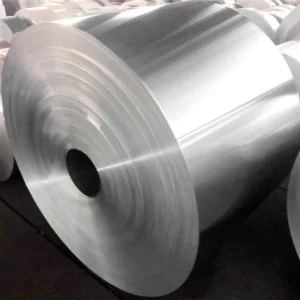
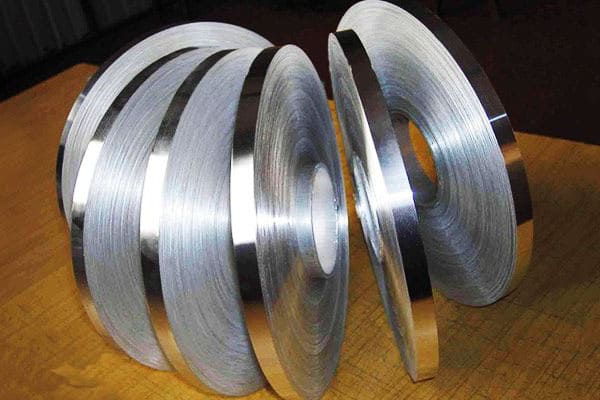
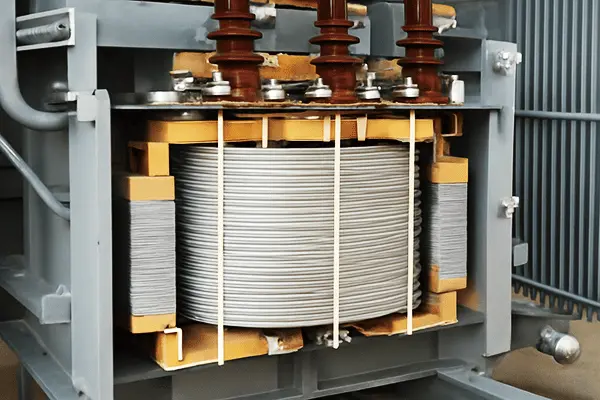
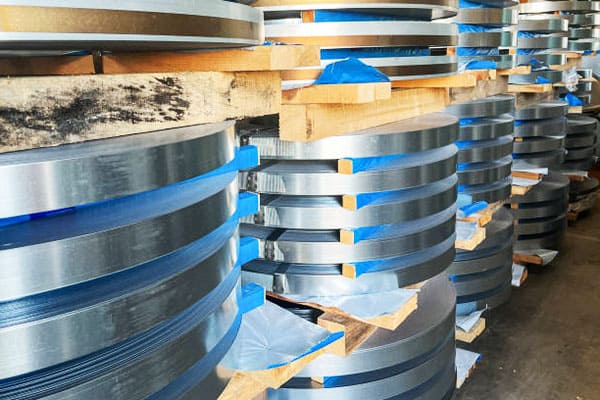
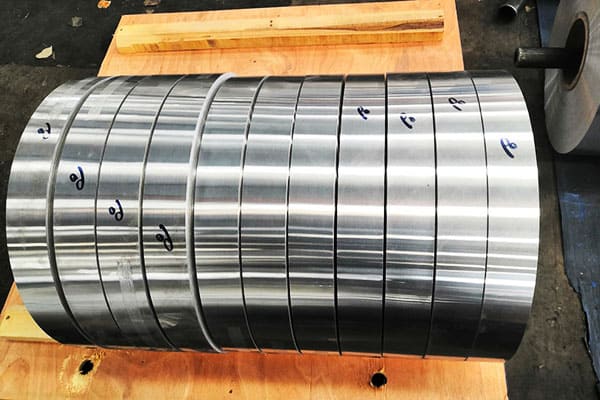
An aluminum strip is a thin, flat piece of aluminum, typically used for the windings in transformers.
It is available in various grades, thicknesses, and widths, depending on the transformer's design requirements.
Aluminum is favored for its low weight, high conductivity, and cost-effectiveness compared to copper, making it a preferred choice for transformer manufacturers worldwide.
Aluminum strips for transformers are commonly produced in pure aluminum (typically 1050, 1060, and 1350 grades) or aluminum alloys such as AA8006 and AA8079, which provide enhanced mechanical strength and resistance to corrosion.
These strips undergo careful processing, including cold rolling, annealing, and surface treatment, to achieve the necessary electrical and mechanical properties.
Aluminum strips used in transformers are available in various alloys, each offering different characteristics to suit specific applications.
Here are the most common alloys used for transformer aluminum strips:
Applications: Low-cost, lightweight transformers where electrical performance is the priority.

Applications: Used in high-performance transformers, oil-filled transformers, and large-scale electrical grids.

Aluminum strips used in transformer manufacturing are chosen for their high electrical conductivity, low resistance, and robust mechanical properties. Here are some key features that make aluminum strips ideal for transformer windings:
Mechanical Strength and Flexibility: Aluminum strips, especially when treated with alloying elements, exhibit excellent mechanical strength and formability, which are essential for winding transformers in a precise manner without cracking or breaking.

Aluminum strips are primarily used in transformer windings, and they play a crucial role in the overall performance of the transformer. Here are some key applications:
Small Transformers and Electronics: Aluminum strips are also used in smaller transformers that power household electronics and appliances, providing an economical and efficient solution.

While copper remains a popular choice for transformer windings, aluminum strips have several advantages in certain applications.
Below is a comparison between aluminum and copper strips used in transformer manufacturing.
| Property | Aluminum Strip | Copper Strip |
|---|---|---|
| Conductivity | 60% of copper's conductivity | 100% of copper's conductivity |
| Weight | 1/3 the weight of copper | Heavier than aluminum |
| Cost | Less expensive | More expensive |
| Corrosion Resistance | Naturally forms a protective oxide layer | Prone to corrosion without coating |
| Strength | Good, but slightly lower than copper | Excellent, especially for high-load applications |
| Applications | Distribution and power transformers, low to medium voltage | High-performance transformers, high-load applications |
In general, aluminum strips are more suited for cost-sensitive applications and large transformers where weight reduction is a priority.
Copper strips, on the other hand, might still be preferred in high-load transformers where conductivity and strength are the top priority.
The manufacturing process of aluminum strips for transformers typically involves several stages to ensure that the final product meets the required standards for electrical performance and mechanical durability.
Cutting and Slitting: Once the strips are processed, they are cut and slit to the desired width and length, ensuring they meet the specific requirements for transformer windings.

For transformer manufacturers, it is crucial to ensure that the aluminum strips meet international standards for quality and performance.
Common standards for aluminum strips used in transformer applications include:
When sourcing aluminum strips, manufacturers should request relevant certificates and ensure that the material meets the specific requirements for electrical performance and environmental standards.
Aluminum strips for transformers offer an excellent combination of performance, cost-effectiveness, and mechanical properties that make them ideal for a wide range of transformer applications.
They are particularly favored in distribution and power transformers, where weight reduction and cost savings are critical.
While aluminum strips may not match copper in terms of conductivity, their lightweight nature and corrosion resistance make them an attractive option for many applications.
By understanding the key properties, applications, and advantages of aluminum strips, manufacturers can make informed decisions about which material is best suited for their transformer design.
Additionally, when comparing aluminum strips to other materials like copper, it becomes clear that aluminum offers a practical and economical solution for many transformer designs, particularly in large-scale, cost-sensitive applications.