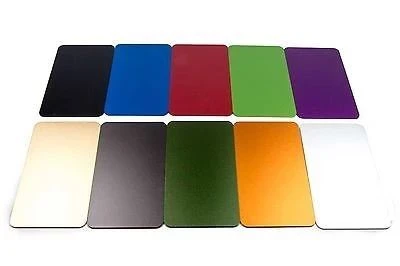
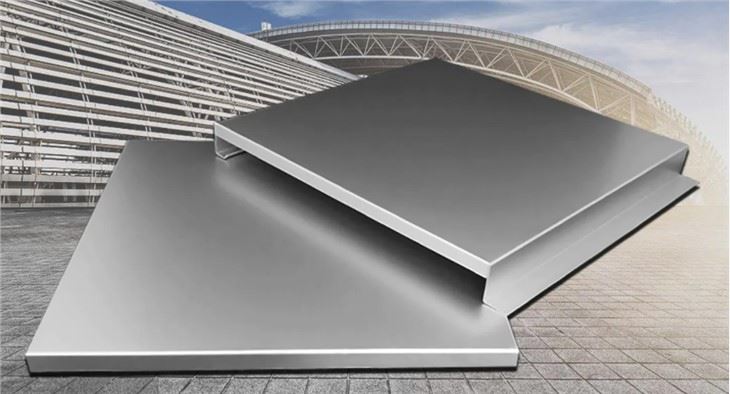
Alloy: 1xxx, 3xxx, 5xxx, 6xxx etc
Temper: soft O, H22, H24, H26, T4, T6 etc
Thickness: 0.2mm – 10mm
Width: 100mm – 2600mm
Thickness of the anodized layer: 5 – 20 microns
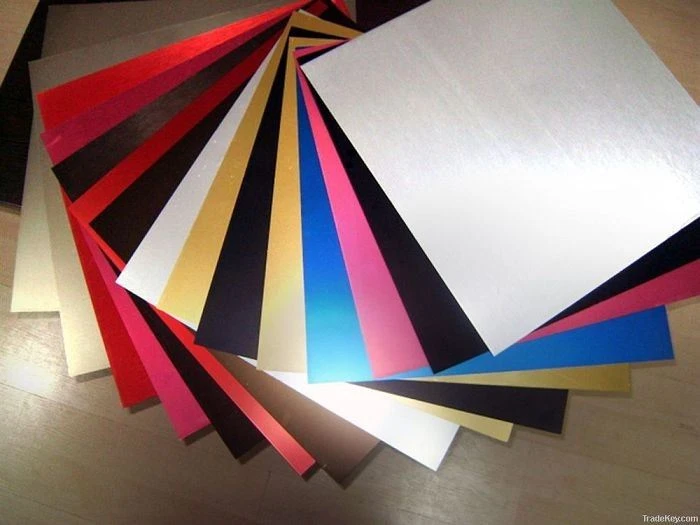
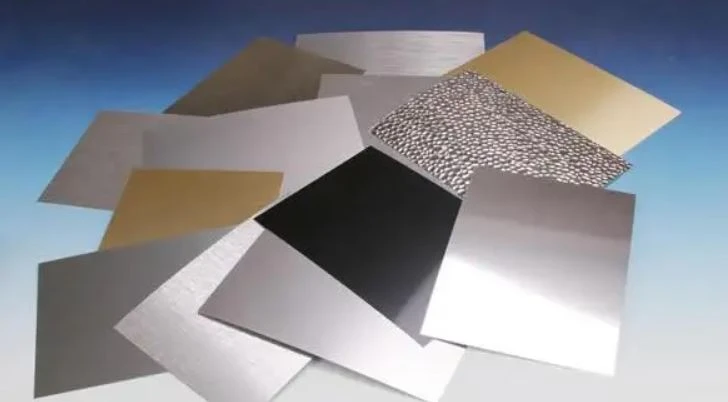
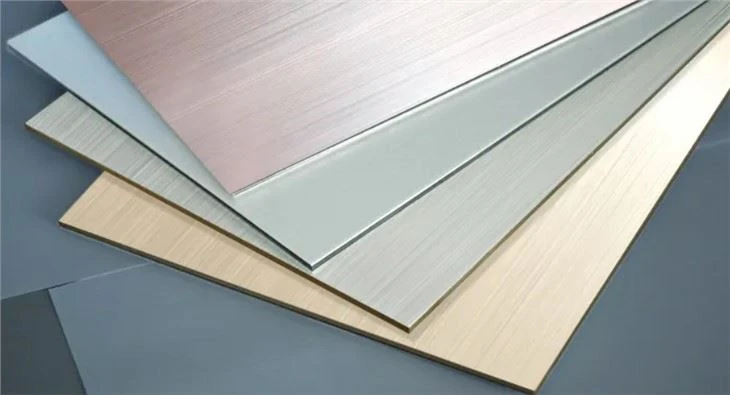
Surface: different colors

huawei offers the following range of anodized aluminium plates segment sizes:
Thickness range: 0.079" (0.2mm) to 0.39" (10.0mm).
Width range: 3.94" (100mm) to 102" (2600mm).
Cut length: 8" (203mm) to 182" (4622mm).
Anodized aluminum plates are an aluminum plate that is placed in the corresponding electrolyte (such as sulfuric acid, chromic acid, oxalic acid, etc.) as an anode, and electrolyzed under specific conditions and applied current. The anode aluminum plate is oxidized to form a thin layer of aluminum oxide with a thickness of 5-20 microns, and the hard anodized aluminum sheet anodized film can reach 60 – 200 microns.
The anodized aluminum plate improves its hardness and wear resistance, good heat resistance, good insulation, and enhanced corrosion resistance.

Anodized aluminium plates are widely used in Lighting, billboards, household appliances, interior decoration, handicrafts, household appliances, interior decoration, signs, furniture, mechanical parts, aircraft and auto parts, precision instruments and radio equipment, architectural decoration, cabinets, consumer electronics, car decoration, etc. industry.
Adding color to anodized aluminum sheet metal during the anodizing process can be done in two ways.
1. electrolytic coloring. A plain aluminum plate is dipped into a solution containing metal salts. These salts fill the pores and provide a thick UV-resistant coating, and the color is usually limited to bronze or black anodized aluminum sheet .
2. dip dyeing: aluminum sheet coil is dipped into a dye vat, and after the dye has been absorbed into the pores, the surface is boiled in deionized water to stop any further reaction. This process offers a wide range of color options, including blue, red, black, gold, and more.

Type I – Chromic Acid Anodizing
Type II – Sulfuric Acid Anodizing
Type III – Hard Coat Anodized
anodized aluminum sheet suppliers place coils or sheets of aluminum in a chemical acid bath. An electric current is passed through the acid, causing the surface to oxidize. Oxidation forms a strong coating on the aluminum surface.
The oxide layer formed on the surface of aluminum has ceramic properties, one of which is higher wear resistance than aluminum itself. Anodized aluminum is superior to untreated aluminum in its resistance to scratches and scratches, providing a more durable finish.
The fundamental difference between anodized aluminum and non-anodized aluminum is that the former has a layer of oxide on the surface, while the latter does not. From a practical standpoint, anodized aluminum has several benefits. The main benefit of anodized aluminum is better corrosion protection.
This current oxidizes or rusts the surface and forms a protective film. So anodized aluminum will rust, but not in a typical way, and more importantly not in a detrimental way. It improves corrosion and wear resistance.

This atmospheric corrosion can be reduced but not eliminated by anodizing the aluminum surface. Anodizing provides a thin layer of aluminum oxide that deteriorates over time. Depending on the thickness and quality of the anodization, the surface of anodized aluminum plate should last 10-20 years.
It's common to have minimum charges ranging from $50 to $150. This applies to Type II, only for colors where the dip-dye process work is done (eg clear, black, etc.), and the cost of anodizing in larger batches is reduced.
7. Why anodize?
The main reason for anodizing is to protect the aluminum. Thanks to this process, corrosion resistance increases and the material retains its appearance longer. Anodizing forms a hard wear-resistant layer that properly protects the aluminum underneath.
For standard anodizing in several colors, it can cost less than liquid paint. However, if color is desired in anodizing, painting becomes a less expensive process.
Anodizing provides a thin layer of aluminum oxide that deteriorates over time. Depending on the thickness and quality of the anodization, the surface should last 10-20 years.
more durable. Aluminum is a durable material at first, but after anodizing, the surface becomes harder than the aluminum base. The surface hardness of anodized aluminum is three times that of standard aluminum, and it won't chip, peel, or peel, even when treated to add color.